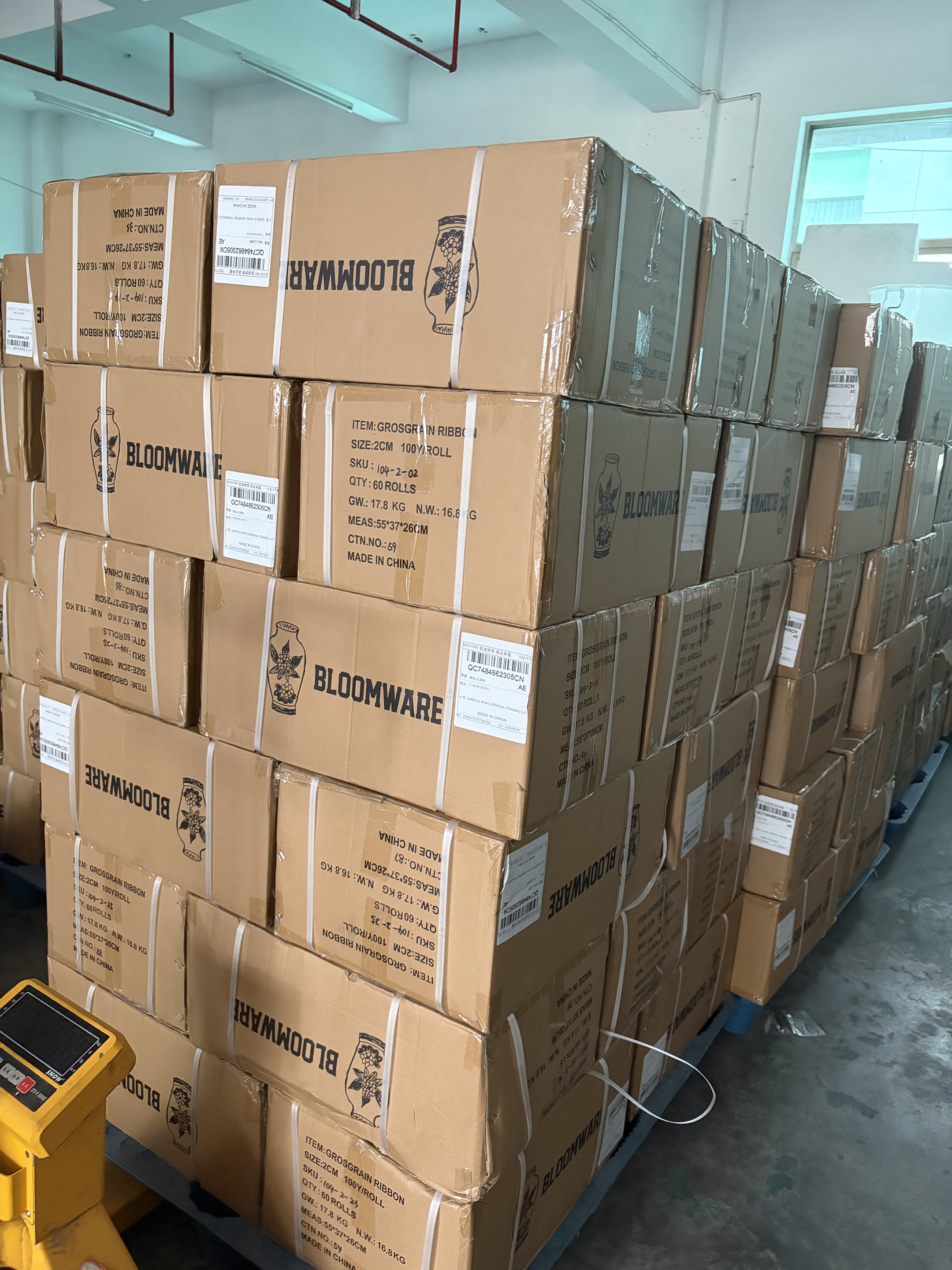
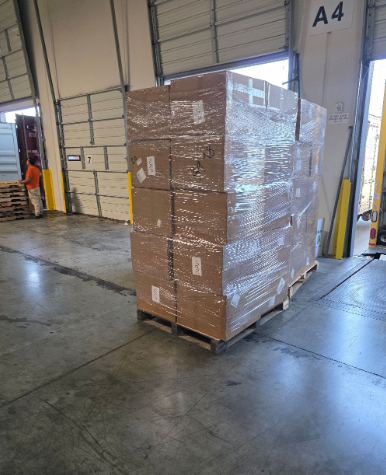
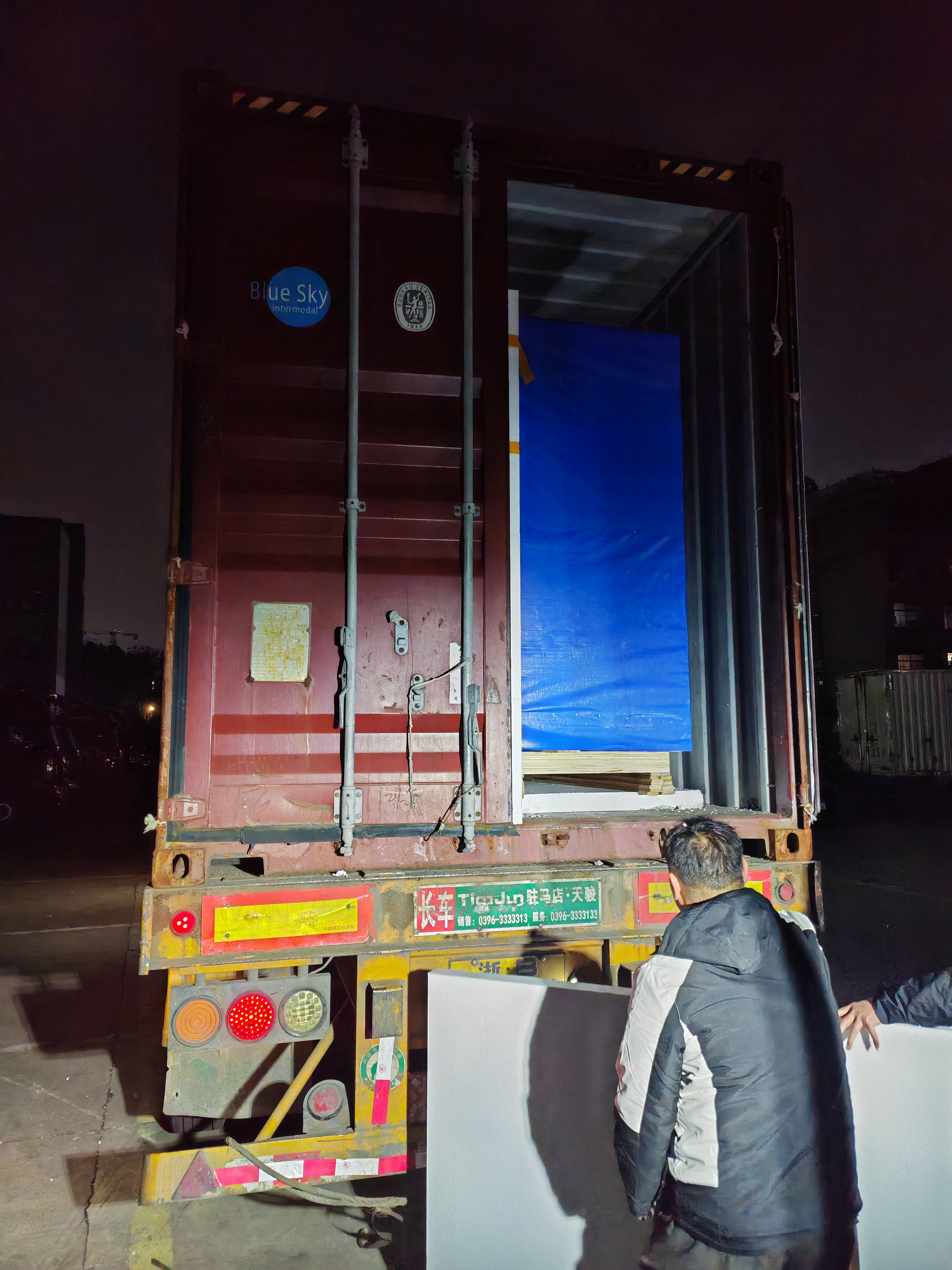
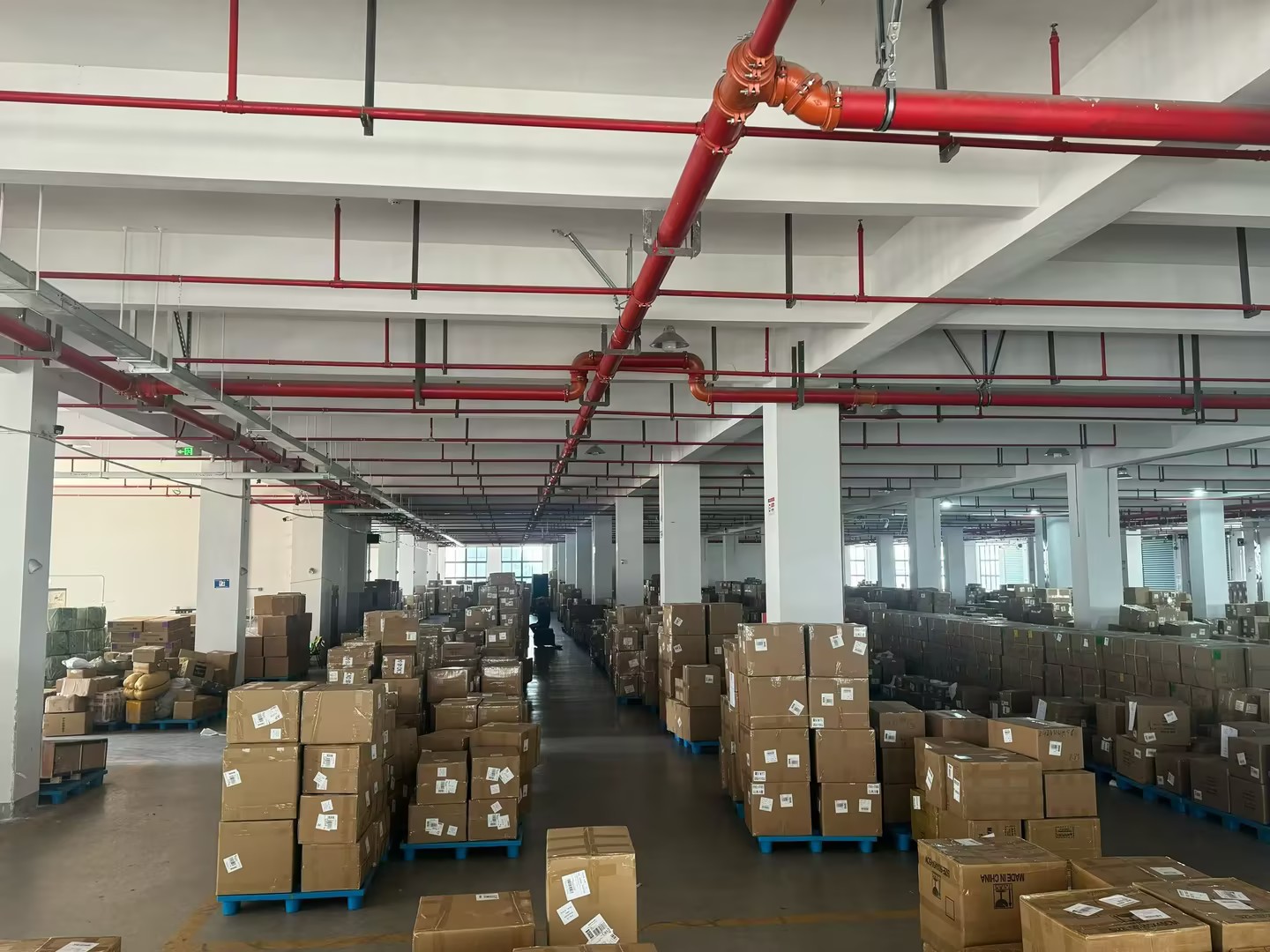
Air cargo from china is a practical logistics choice for buyers who need faster delivery than sea freight. It is commonly used for samples, urgent replenishment, seasonal products, electronics, small cartons, high-value goods, and e-commerce inventory. YIWU IMEX helps importers arrange air cargo from china based on real cargo data, delivery deadlines, and destination requirements.
The cost of air cargo from china is mainly affected by chargeable weight, cargo type, carton size, pickup city, destination airport, customs documents, and final delivery service. Chargeable weight may be calculated by actual weight or volumetric weight, so efficient packing can reduce unnecessary cost. Before requesting air cargo from china, buyers should prepare product name, quantity, carton dimensions, gross weight, supplier address, destination country, postcode, and expected delivery time.
Different air cargo from china solutions are available. Airport-to-airport service may suit buyers with their own customs clearance and pickup ability. Airport-to-door service adds local delivery support. DDP air cargo from china can simplify the process by combining supplier pickup, export operation, customs support, tracking, and final delivery coordination for suitable products.
Cargo restrictions must be checked before booking air cargo from china. Batteries, liquids, powders, magnets, chemicals, cosmetics, medical items, and branded goods may require additional confirmation, special packing, or supporting documents. Accurate product information helps reduce airline rejection, customs review, and delivery delay.
Timing can also change. Flight capacity, peak season, holidays, customs inspection, weather, warehouse congestion, and destination delivery appointments may affect air cargo from china schedules. Early planning gives buyers more route choices and better cost control. With supplier pickup, consolidation, export handling, air freight booking, tracking updates, and delivery support, YIWU IMEX makes air cargo from china easier to quote, manage, and repeat for long-term supply chain operations.



 EN