


 EN
For a Peruvian small business, the first China-to-Peru shipment may be a one-time task. The second and third shipments reveal whether the logistics relationship is actually workable. A partner who can provide a rate but cannot explain supplier information, consolidation, document ownership or destination handoff may create more work every time an order is repeated.
This checklist helps a buyer compare partners for repeat small-business shipments. It focuses on questions that can be answered before booking. It does not promise a source of products, a customs result, a warehouse service or a fixed price. IMEX Mall’s Peru service direction includes sea freight and air freight, with discussions around China sourcing or cargo collection, LCL/FCL coordination, documentation preparation and BOL coordination, subject to the confirmed service scope and shipment arrangement.
1. Define what “partner” means
Start by separating the activities you need from the activities you already manage. Do you need help locating potential products in China, collecting cargo from several suppliers, arranging international transport, or coordinating documents for a destination handoff? These are different questions.
“China sourcing” or “finding goods” should not automatically be interpreted as a full procurement agency service. Ask whether the provider is helping identify or coordinate cargo, and which steps remain with the buyer. Confirm separately whether supplier selection, quality inspection, payment, storage, after-sales handling or other activities are included. If they are not confirmed, list them as buyer or third-party responsibilities.
2. Test the cargo and shipment profile
Give each candidate partner the same basic shipment brief:
Product descriptions and intended sales channel;
Number of suppliers and collection locations;
Estimated packages, dimensions and weights;
Expected shipment frequency;
Preferred mode: sea freight or air freight;
Whether the shipment is likely to be LCL or FCL;
Destination country and delivery context in Peru.
The purpose is comparability. A provider may recommend sea freight for a planned consolidated shipment or discuss air freight for a different inventory need, but the recommendation should be tied to the cargo profile and the information available. Do not compare a quote for one shipment assumption with a quote based on another.
3. Ask how multi-supplier cargo is coordinated
Repeat buyers often have more than one Chinese supplier. Ask how the partner will collect supplier information, identify each supplier’s packages and resolve differences between commercial and packing data. A clear process should show who submits the information, who checks it and who approves a correction.
For LCL, ask how cargo is grouped for the consolidated movement. For FCL, ask how the container-level loading and package record is coordinated. The correct answer may differ by carrier and shipment arrangement. A partner should be able to describe the coordination steps without claiming that one template or one outcome applies to every shipment.
4. Clarify document and BOL ownership
Documentation is a recurring test of a logistics relationship. Ask for a list of the information required from the buyer and suppliers, and ask when a draft is reviewed. If a bill of lading (BOL) is involved, ask who coordinates the BOL information and how changes are approved.
A provider may be experienced in bringing together e-commerce cargo from multiple suppliers and coordinating a consolidated document set. However, whether one BOL is used for all goods is subject to the shipment arrangement, carrier process, applicable documentation structure and operating terms. The buyer should never treat a discussion of BOL coordination as a promise of a particular destination or customs outcome.
5. Compare sea and air support
The Peru service group is limited to sea freight and air freight. Ask each provider to explain the decision factors without inventing a guaranteed transit time. Sea freight may fit a planned LCL or FCL replenishment; air freight may be considered for a smaller, more time-sensitive or profile-specific shipment. The actual route, eligibility, destination handoff, timing and charges require confirmation.
Good comparison questions include:
What cargo information is needed to compare sea and air fairly?
Which parts of collection or consolidation change with the mode?
How are documents prepared and handed off under each option?
Who confirms destination requirements for the specific shipment?
6. Evaluate repeat-shipment discipline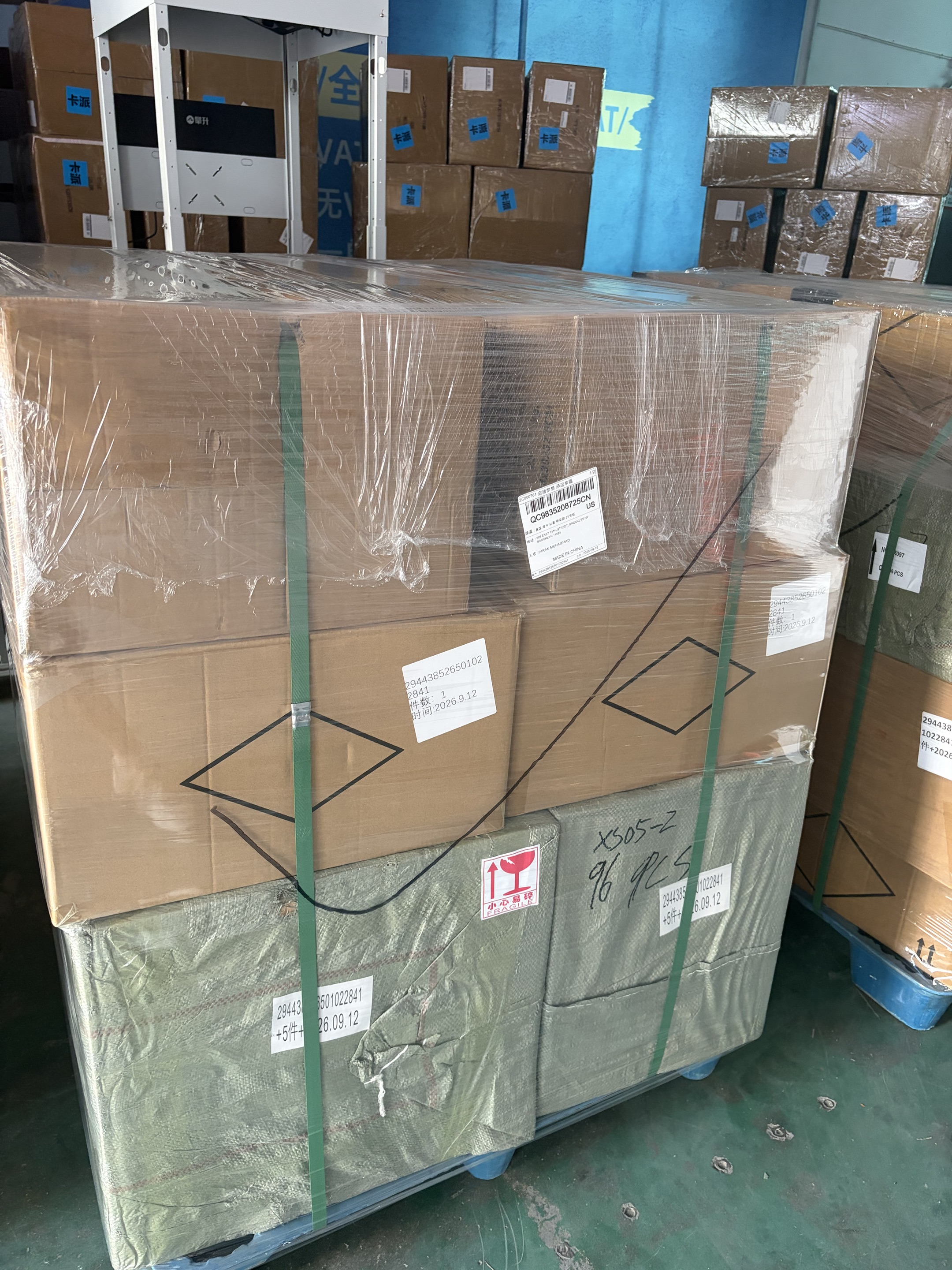
Small businesses benefit from a process that becomes easier to repeat without becoming automatic. Ask whether the partner can keep a reusable checklist of supplier contacts, package references, recurring product descriptions and destination instructions. Then ask how the partner checks what changed since the last shipment.
Useful change controls include:
A new supplier or collection location;
A product description or packaging change;
A shift between LCL and FCL;
A switch between sea freight and air freight;
A change in consignee or destination handoff;
A document correction after review.
The goal is not to force every future shipment into the first shipment’s template. It is to make changes visible before they create a coordination problem.
7. Record the responsibility boundary
Use a written matrix before choosing a partner:
|
Area |
Questions for the candidate partner |
Confirmed owner |
|
Finding/collecting goods |
Is this identification, collection coordination or a broader service? |
Buyer / partner / third party |
|
Supplier information |
Who supplies and checks product and packing data? |
Buyer / supplier / partner |
|
Consolidation |
How are LCL or FCL records coordinated? |
Partner, subject to arrangement |
|
BOL |
Who reviews the applicable structure and corrections? |
Confirm in writing |
|
Mode |
Who compares sea and air assumptions? |
Confirm in writing |
|
Destination handoff |
Who prepares and coordinates the destination information? |
Confirm in writing |
|
Inspection, payment, storage |
Are these included or outside scope? |
Do not assume |
This table is intentionally explicit. It prevents the word “partner” from turning into an unconfirmed promise of procurement, inspection, payment or warehousing.
8. Look for a useful first review
Before asking for a long-term commitment, send one realistic shipment brief and request a capability review. A useful response should identify missing information, explain the proposed sea or air path, show how multi-supplier documents would be coordinated and flag questions that need buyer confirmation. It should also be clear about what the partner cannot confirm yet.
Conclusion
For repeat China-to-Peru shipments, compare logistics partners on service boundaries, supplier coordination, document discipline, BOL handling, sea/air decision-making and change control—not only on a first quote. Keep sourcing or collection support separate from unconfirmed procurement, inspection, payment and storage services. If you have a repeat-shipment plan, compare partner capabilities for Peru shipments with IMEX Mall.
Sources and risk notes
Sources: Customer-confirmed Peru product card, approved topic plan, and IMEX Mall service direction.
Risk notes: The scope of finding goods, collection, inspection, procurement, payment, storage, destination requirements, ports, airports, rates and timing requires confirmation. BOL structure is subject to the shipment arrangement and carrier process. The checklist does not guarantee product supply, customs clearance or transport performance.