


 EN
When a buyer ships from China to the Middle East, LCL and FCL are often presented as a capacity choice. In a multi-supplier shipment, however, the choice also affects cargo receiving, consolidation, document coordination and the destination handoff.
That is why the buyer should not begin with a fixed assumption that LCL is for small cargo or FCL is for large cargo. The more useful approach is to review the cargo profile, supplier structure, readiness, document quality and destination requirements together.
What changes when several suppliers are involved?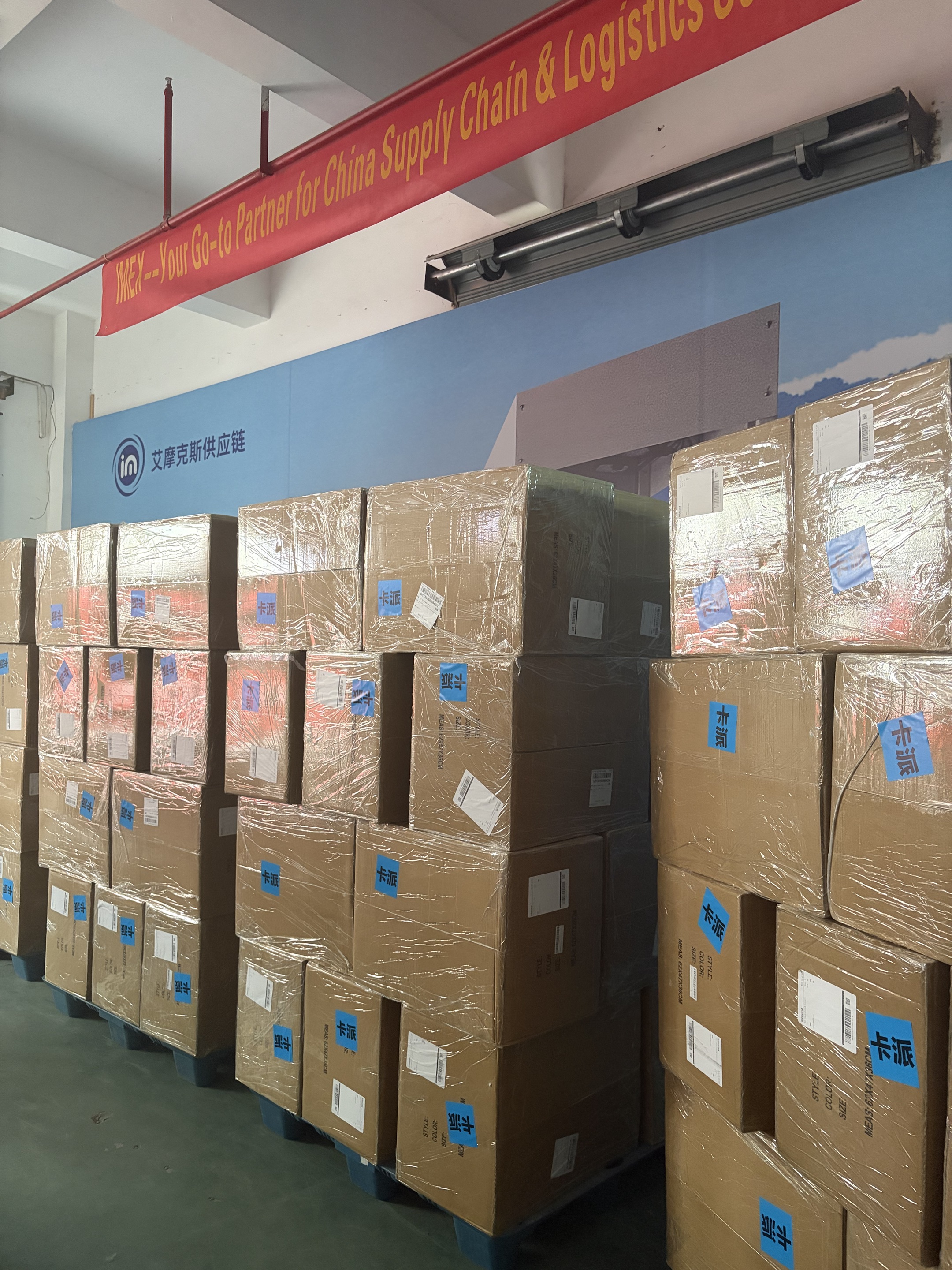
One supplier may provide one product list, one set of packing details and one cargo-ready date. Several suppliers may provide different descriptions, package counts, values, dimensions and ready dates. The logistics provider may need to receive and identify the cargo before the shipment structure is finalized.
Before choosing a mode, the buyer should prepare:
product descriptions and quantities by supplier;
package counts, dimensions and weights;
supplier locations and ready dates;
known product, battery, size or handling questions;
available commercial and packing information; and
the intended Middle East destination and delivery arrangement.
This does not require every supplier to use the same internal system. It requires the final shipment information to be clear enough for the proposed service arrangement.
LCL: ask about consolidation and document flow
LCL may be considered when the buyer does not plan a full-container movement or wants to evaluate a consolidated shipment structure. For multi-supplier cargo, the buyer should ask how the cargo will be received, identified and combined.
Important questions include:
Where will each supplier’s cargo be delivered?
How will cargo be labeled or matched to the supplier information?
Which documents must be available before consolidation?
How are missing or changed documents handled?
What BOL structure is proposed for the shipment?
The buyer should also ask which destination documents are prepared or coordinated and what information the importer must provide. LCL is not only a space decision; it is a document and handoff decision as well.
FCL: a full container still needs a clear information structure
FCL may be considered when the buyer plans a full-container movement. It can provide a defined container structure, but it does not eliminate supplier-document work when the cargo comes from several origins.
The buyer should confirm:
whether all supplier cargo can be ready within the planning window;
how loading and cargo identification will be handled;
which supplier information supports the final shipment documents;
how the BOL will be coordinated; and
what happens if the final cargo differs from the original plan.
The buyer should avoid assuming that FCL means one fixed document outcome. The proposed BOL and supporting-document structure remains subject to the shipment arrangement, carrier process and operating terms.
Compare the shipment structure against the business need
The LCL/FCL decision should support the buyer’s operating plan. Consider:
Cargo readiness
Is the cargo ready now, or will suppliers complete it at different times? A shipment with staggered readiness may require a different receiving and consolidation discussion.
Supplier coordination
How many suppliers are involved, and who will answer questions about product descriptions, packing or values? The answer affects the document workflow as much as the physical cargo.
Inventory planning
Is the buyer testing products, replenishing gradually or planning a larger movement? The preferred structure may change as demand and purchase patterns change.
Destination responsibility
Which documents are prepared or coordinated for the Middle East destination? Which information must the buyer or importer approve? These responsibilities should be documented before booking.
A buyer’s LCL/FCL question list
|
Area |
Questions to ask |
|
Cargo |
What products, packages, dimensions and weights are included? |
|
Suppliers |
How many suppliers are involved, and when is each shipment ready? |
|
Receiving |
Where will supplier cargo be received and identified? |
|
Consolidation |
What consolidation structure is proposed, and what is included? |
|
BOL |
What BOL arrangement applies, and what conditions could change it? |
|
Documents |
Which commercial, packing and destination documents are required? |
|
Destination |
Who prepares, checks or coordinates destination information? |
|
Exceptions |
Which products, routes or changes require separate review? |
This question list helps the buyer compare LCL and FCL on the complete service scope rather than on capacity alone.
Make the proposed arrangement easy to approve
Before booking, ask the provider to summarize the proposed arrangement in a short written note. It should identify the cargo assumptions, supplier-ready dates, receiving or consolidation step, BOL approach, destination-document handoff and any open questions. If the cargo or supplier information changes, the buyer can then see which part of the plan needs to be reviewed again.
This simple record is useful for teams that purchase repeatedly. It gives procurement, warehouse and finance colleagues a shared reference and reduces the risk that a verbal assumption becomes an untracked shipment condition. It also keeps the LCL/FCL discussion connected to the documents that will travel with the cargo.
How IMEX Mall fits the Middle East workflow
IMEX Mall’s Middle East regional service group includes sea and air freight, LCL/FCL discussion, multi-supplier document integration, BOL coordination and destination-document preparation. Buyers can use the first conversation to share the cargo list, supplier structure and destination requirements.
The service scope should be confirmed for each shipment. The buyer should understand what IMEX Mall will coordinate, what suppliers must provide, what the importer must approve and which destination steps belong to another party. If marine-insurance support is discussed, the applicable sea-freight conditions should also be confirmed separately.
Next step
Prepare your supplier-level cargo list and available documents. Ask the logistics provider to compare LCL and FCL against the actual consolidation plan, explain the BOL arrangement and clarify the Middle East destination handoff.
Discuss your Middle East consolidation plan.
Sources and risk notes
Customer-confirmed product and topic card for Middle East Regional Logistics Services.
Customer-confirmed service direction: Middle East sea and air; LCL/FCL; multi-supplier document integration; BOL; destination-document preparation.
No unverified cargo thresholds, rates, transit times, port details, insurance coverage or customs outcomes are used.
Review before publication: BOL structure, destination scope and final target URL.