


 EN
For an e-commerce business shipping from China to Europe, the LCL-versus-FCL decision is often reduced to one question: “Do we have enough cargo for a full container?” That is a useful starting point, but it does not describe the whole decision.
The better question is: which shipment model fits the cargo, the supplier structure, the inventory plan and the documentation workflow? A buyer may have enough cargo for one shipment but still need to consider how many suppliers are involved, whether the cargo will be ready at the same time and how the destination documents will be coordinated.
LCL and FCL are shipment structures, not automatic answers
LCL, or less-than-container load, is commonly considered when a buyer does not need a full container for a shipment. FCL, or full-container load, is considered when the buyer plans to use a container for the shipment structure. The right choice depends on the actual cargo and the service arrangement.
For a growing e-commerce supply chain, the decision can also change over time. A seller may use LCL while testing products or replenishing smaller quantities, then evaluate FCL as volumes, supplier coordination and inventory planning change. A different shipment may still require another structure because the products, packaging, timing or destination conditions are different.
This is why buyers should avoid treating LCL or FCL as a permanent label for the business. It is a decision to be reviewed against each shipment profile.
Question 1: How much cargo is actually ready?
The first practical question is not only how much cargo has been ordered. It is how much cargo is ready, documented and available for the proposed shipping window.
Prepare the following information:
product descriptions and packaging details;
expected cartons, pallets or other units;
dimensions and weights;
each supplier’s cargo-ready date;
collection locations; and
any product or handling concerns that need review.
If cargo is arriving from several suppliers at different times, the buyer should explain that situation before asking for an LCL or FCL recommendation. A shipment model based on cargo that is not ready together may create a different consolidation plan from one based on cargo that is available at one location.
The goal is not to force every supplier into the same schedule. It is to make the assumptions visible so that the buyer understands what the proposed shipment structure includes.
Question 2: How many suppliers are involved?
Supplier count is one of the most important differences between a simple shipment and a multi-supplier e-commerce shipment.
With one supplier, the buyer may have one set of product and packing information. With several suppliers, descriptions, invoices, packing information and ready dates may be prepared in different formats. The cargo may also need to be received, identified and consolidated before it is booked.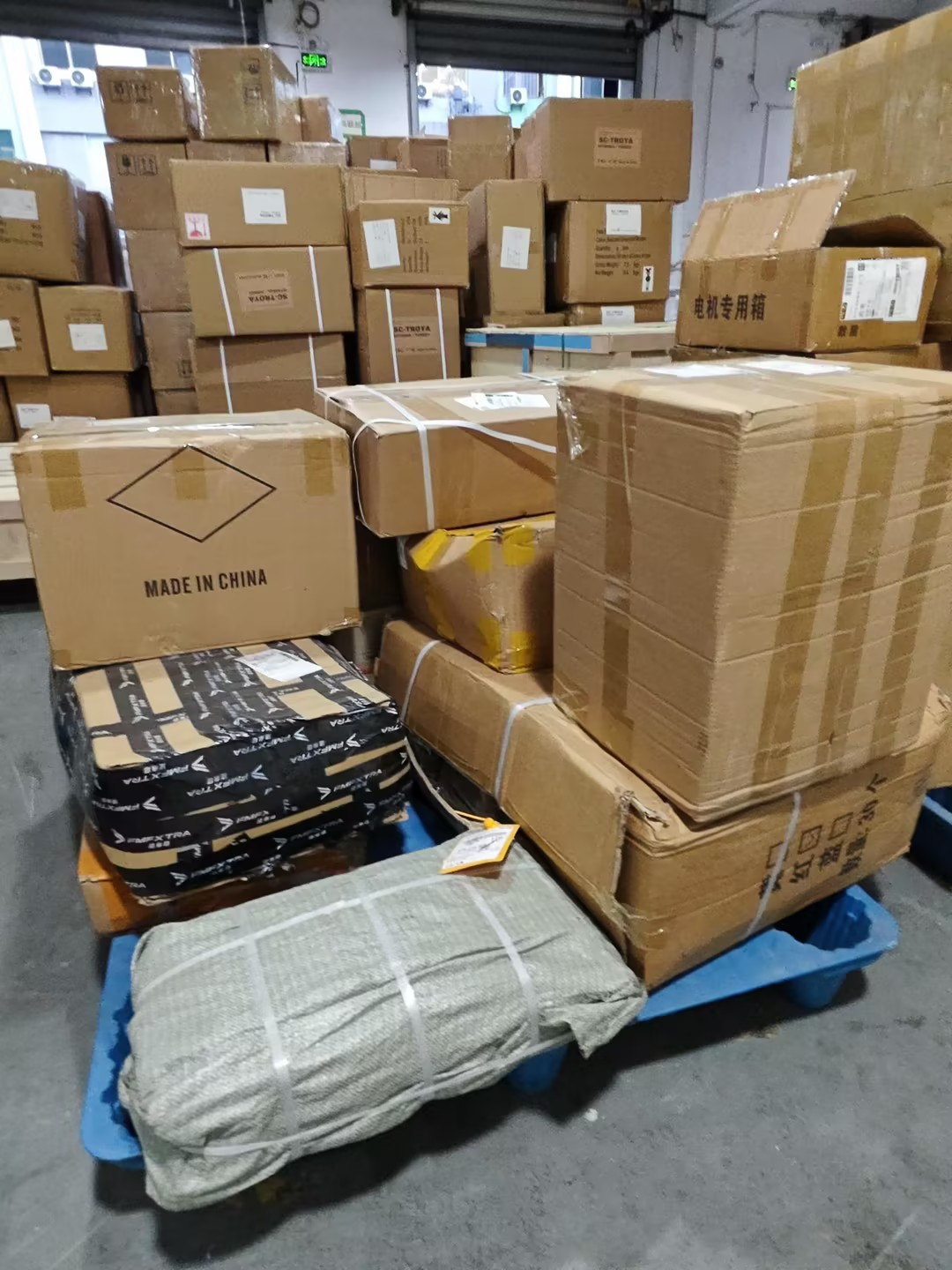
For a multi-supplier shipment, ask the logistics provider:
Where will each supplier’s cargo be received?
How will cargo be identified during consolidation?
Which supplier documents are required before booking?
Who checks whether the information is consistent?
How are missing or late documents handled?
How will the BOL be coordinated for the proposed arrangement?
These questions matter for both LCL and FCL. A full container does not remove the need for organized supplier information, and an LCL shipment does not automatically define the final document structure.
Question 3: Does the inventory plan favor flexibility or a fixed shipment structure?
LCL may be considered when the buyer wants to move a smaller or mixed quantity without planning an entire container. It can be relevant for product testing, gradual replenishment or a shipment that does not yet justify a dedicated container structure.
FCL may be considered when a buyer has a more defined cargo plan, a larger shipment structure or a need to manage a container as one planned movement. The decision still needs to account for packaging, cargo compatibility, destination requirements and document preparation.
Neither choice should be described as universally cheaper or faster. A mode decision based only on a headline rate can miss consolidation, handling, storage, document and destination responsibilities. The buyer should compare the complete service scope.
Question 4: What does the destination handoff require?
Europe-bound cargo is not complete when it leaves the supplier. The buyer should understand what happens after arrival and which documents support the destination handoff.
Ask for a clear explanation of:
the destination delivery arrangement;
documents the importer must provide;
documents the logistics provider prepares or coordinates;
how product descriptions and commercial information are checked;
how destination questions are communicated; and
which responsibilities remain with the buyer or importer.
If the shipment includes several suppliers, the buyer should also confirm how the consolidated BOL and supporting documents relate to the cargo. The exact arrangement is subject to the shipment structure and operating terms. “One BOL” should not be assumed to apply to every possible shipment without confirmation.
A practical LCL/FCL decision framework
|
Decision area |
Questions to answer before choosing |
|
Cargo readiness |
How much cargo is ready, and when will the remaining cargo be ready? |
|
Supplier structure |
Is the cargo from one supplier or several suppliers? |
|
Consolidation |
Where will cargo be received, identified and consolidated? |
|
Inventory |
Is the buyer testing products, replenishing gradually or planning a larger movement? |
|
Documents |
Are product, commercial and packing details complete and consistent? |
|
Destination |
What delivery and destination-document responsibilities apply? |
|
Flexibility |
Which assumptions could change the proposed arrangement? |
This framework does not replace a shipment quotation. It makes the quotation easier to understand because the buyer can compare offers against the same service assumptions.
How IMEX Mall can support the discussion
IMEX Mall’s Europe regional service group includes LCL/FCL shipping as a core discussion point, together with sea, air and land transport options. For e-commerce buyers working with multiple Chinese suppliers, the relevant service conversation also includes cargo information, document integration and BOL coordination.
The practical value is not simply choosing the label LCL or FCL. It is connecting that choice to the cargo-ready dates, supplier information, destination arrangement and responsibilities that will make the shipment workable. Buyers should share the product list and supplier structure, then confirm which document and delivery terms apply to the proposed shipment.
Next step
Before requesting a Europe LCL or FCL quote, prepare your cargo profile, supplier list, ready dates and available documents. Ask the logistics provider to explain the proposed consolidation structure, BOL workflow and destination handoff.
Discuss the right LCL/FCL shipment model.
Sources and risk notes
Customer-confirmed product and topic card for Europe Regional Logistics Services.
Customer-confirmed service direction: Europe sea, air and land options; LCL/FCL; multi-supplier document integration; BOL coordination.
Website pages to verify at production: Europe ocean page and final target URL.
No unverified cargo thresholds, rates, transit times, country coverage, customs outcomes or performance claims are used.
Review before publication: final BOL wording, consolidation location and Europe page URL.