


 EN
When cargo comes from one supplier, the document flow can feel straightforward. When the same shipment contains products from several suppliers, the operational question changes. The buyer is no longer managing only cartons and transport. The buyer is also managing a set of descriptions, invoices, packing details, ready dates and destination requirements that must make sense together.
Documentation is therefore not an administrative task at the end of shipping. It is part of the shipment design. If information is incomplete or inconsistent, the buyer may face additional questions during booking, handoffs or destination preparation.
Why multi-supplier cargo creates extra document work
Different suppliers often prepare information in different ways. One may use a detailed product description while another uses a broad category. Package counts may be updated at different times. Commercial values, dimensions and weights may be supplied in different formats. These differences do not automatically mean that the cargo cannot move, but they do create questions that should be identified early.
The buyer should begin by collecting a common set of information from every supplier:
product name and clear description;
quantity and packaging units;
dimensions and weight;
commercial invoice information;
packing details;
cargo-ready date and collection location; and
known product, battery, dangerous-goods or destination questions.
The exact document list depends on the shipment and destination. The point is to create a consistent starting set so that the logistics provider can identify gaps before booking.
The first risk is inconsistency, not simply missing paperwork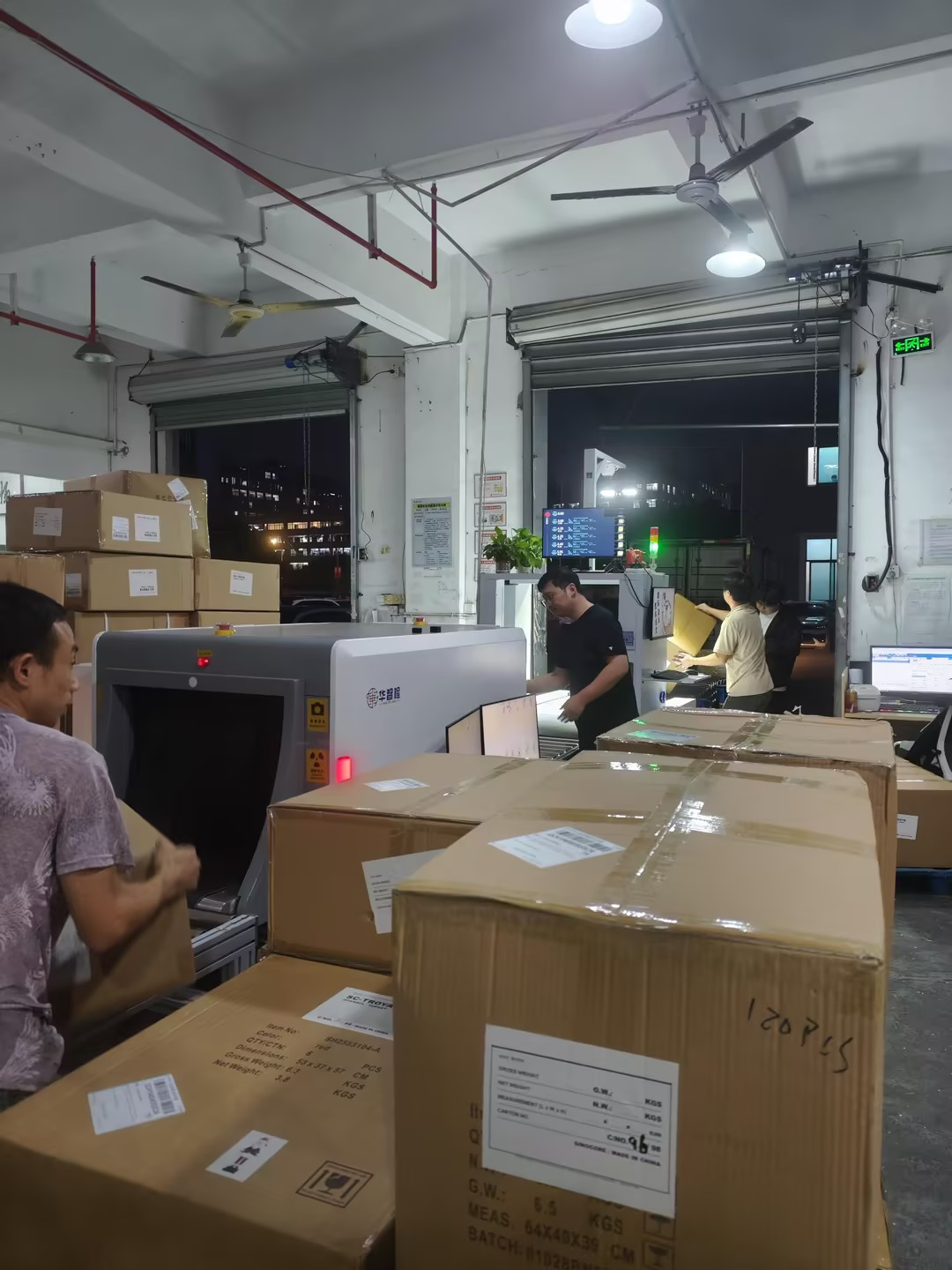
Buyers often focus on missing documents because missing paperwork is visible. Inconsistent information can be harder to detect. A supplier may describe a product differently from the description used in the purchase order. A packing list may show a different number of units from a commercial document. A product example may be accurate in one file but too vague in another.
These differences can lead to repeated clarification requests. They may also make it harder for the buyer, logistics provider and destination parties to agree on what the shipment contains.
A practical document review should ask:
Do product descriptions use the same level of detail?
Do quantities and package counts match across the available documents?
Are weights and dimensions updated when the shipment changes?
Can each line be linked to the relevant supplier and cargo?
Are product restrictions or special-handling questions identified early?
The objective is not to make every supplier use identical software. It is to make the final shipment information understandable and traceable.
What a BOL workflow should clarify
For a multi-supplier shipment, buyers should ask how the bill of lading, or BOL, will be coordinated. The BOL is one part of a broader documentation structure, and its use depends on the shipment arrangement, carrier process and applicable operating terms.
Before booking, ask the logistics provider:
Which party provides the BOL information?
How is supplier cargo matched to the consolidated shipment?
Which details must be approved before the document is issued?
What happens if a supplier changes quantities or descriptions?
Is the proposed arrangement based on one BOL or another document structure?
Which supporting documents are required for the destination handoff?
The phrase “one BOL” should be treated as a point to confirm, not as an unconditional result for every shipment. A consolidated documentation workflow can be useful, but the exact document structure remains subject to the shipment arrangement and final operating terms.
A better workflow: organize information before selecting the final mode
Multi-supplier documentation should be considered alongside the transport decision. A buyer comparing LCL, FCL, air freight or land transport should explain the supplier structure and document status at the beginning of the conversation.
A practical workflow has five steps:
1. Build a supplier-level cargo list
Record what each supplier is sending, where it is located and when it will be ready. Keep supplier identity connected to the cargo lines so that questions can be routed quickly.
2. Normalize the key information
Use a common format for product descriptions, quantities, packages, weights and dimensions. If the business or destination requires additional information, add it to the checklist rather than waiting for a late request.
3. Flag exceptions early
Separate products that may require additional review, such as batteries, oversized goods, special handling or destination-specific documentation. A product example should trigger verification rather than an automatic acceptance decision.
4. Confirm the proposed BOL structure
Ask whether the document arrangement fits the cargo, supplier structure and carrier process. Record who approves the details and when changes can still be made.
5. Define the destination handoff
Clarify which documents are prepared, checked or coordinated, what the importer must provide and how a destination question is escalated. This keeps “documentation support” from being misunderstood as a guarantee of customs clearance.
What buyers should ask a logistics provider
|
Area |
Questions to clarify |
|
Supplier data |
What information must each supplier submit, and in what format? |
|
Cargo matching |
How will supplier cargo be identified during consolidation? |
|
BOL |
What BOL structure is proposed, and what conditions could change it? |
|
Changes |
How are late, incomplete or changed supplier documents handled? |
|
Destination |
Which documents are prepared or coordinated for the destination handoff? |
|
Responsibility |
What must the buyer, importer and suppliers approve or provide? |
|
Exceptions |
Which products or destination conditions require separate review? |
How IMEX Mall fits into the workflow
IMEX Mall’s Europe regional service direction includes helping organize multi-supplier shipment information and coordinating BOL-related documentation. The service discussion can cover LCL/FCL, sea, air and land options, depending on the cargo and destination requirements.
For a buyer, the value of this conversation is clarity. Instead of sending separate supplier files and comparing an isolated freight rate, the buyer can review the cargo structure, documentation readiness, BOL arrangement and destination handoff together. The exact operating terms should be confirmed for each shipment.
Next step
Prepare a supplier-level cargo list and collect the available product, commercial and packing information. Then ask the logistics provider to review the document gaps, proposed BOL structure and destination handoff before booking.
Review your Europe shipping documentation workflow.
Sources and risk notes
Customer-confirmed product and topic card for Europe Regional Logistics Services.
Customer-confirmed service direction: multi-supplier document integration, BOL coordination, LCL/FCL and Europe sea/air/land options.
Website pages to verify at production: `/solutions` and Europe ocean page.
No customs-law conclusions, clearance guarantees, legal opinions, rates, transit times or certificates are used.
Review before publication: exact BOL terminology, operating scope and destination-document responsibility.