


 EN
The best time to discover a missing shipment detail is before the booking request is sent. For Middle East sea freight, a buyer may be coordinating several Chinese suppliers, choosing between LCL and FCL, preparing a BOL record and asking whether a marine-insurance offer applies. These questions should be visible in one pre-booking review rather than scattered across messages.
This checklist is a communication tool. It is not customs advice, insurance advice or a promise of clearance, delivery or compensation. IMEX Mall’s Middle East service direction includes sea freight and air freight, LCL/FCL discussions, documentation preparation and destination handoff. Marine-insurance support may be discussed for eligible sea-freight arrangements, subject to applicable terms.
1. Record the shipment identity
Write down the buyer, intended destination, shipment reference, suppliers and preferred mode. State whether the request is LCL or FCL sea freight. If air freight is still being considered, record it as an alternative rather than mixing the two modes in one assumption.
Include the origin collection locations and the intended destination handoff. Do not fill in a port, terminal, airport or delivery point unless it has been confirmed for this shipment. A clear “to confirm” field prevents an unverified detail from being copied into later documents.
2. Create a cargo and supplier register
Ask every supplier for the same core information:
Legal or trading name and a responsible contact;
Product description and internal reference;
Quantity, package count, dimensions and weight;
Packing status and collection location;
Any battery, liquid, oversized, fragile or other handling question;
Expected readiness and changes since the initial request.
The register should identify the source of each field. If a weight is estimated, label it as estimated. If two suppliers describe similar products differently, retain both descriptions and flag the item for review rather than silently changing the record.
3. Match commercial and packing information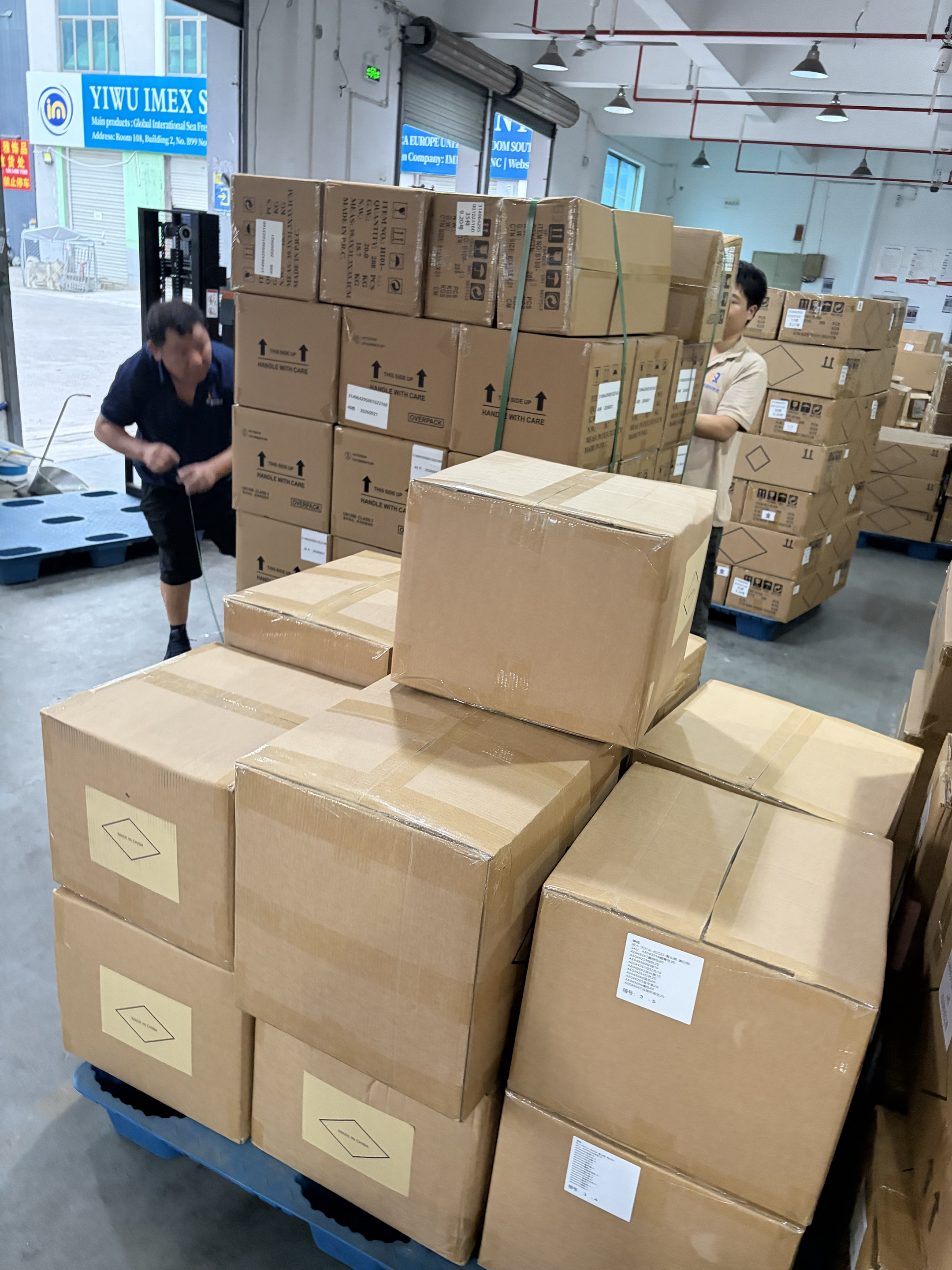
Before booking, compare the product descriptions, quantities, package references and declared parties across the available commercial and packing records. The goal is consistency, not a new legal interpretation. Ask the logistics partner which exact documents and fields are required under the proposed shipment arrangement.
For LCL, confirm how each supplier’s packages will be referenced within the consolidated cargo. For FCL, confirm how the container-level packing record and loading information will be coordinated. Keep supplier-level exceptions in a short action list so that one correction does not get lost in a general email thread.
4. Review the BOL questions
A bill of lading (BOL) should be treated as a coordination workflow. Ask:
Which shipper, consignee and notify details are required?
How will the individual suppliers and packages be identified?
When will a draft be available for review?
Who approves corrections, and how are changes recorded?
What BOL structure is applicable to this shipment arrangement?
In a multi-supplier e-commerce shipment, IMEX Mall can discuss documentation preparation and BOL coordination. However, one BOL for all cargo is not an unconditional promise. The applicable structure depends on the shipment arrangement, carrier process, documentation structure and operating terms.
5. Put insurance conditions in writing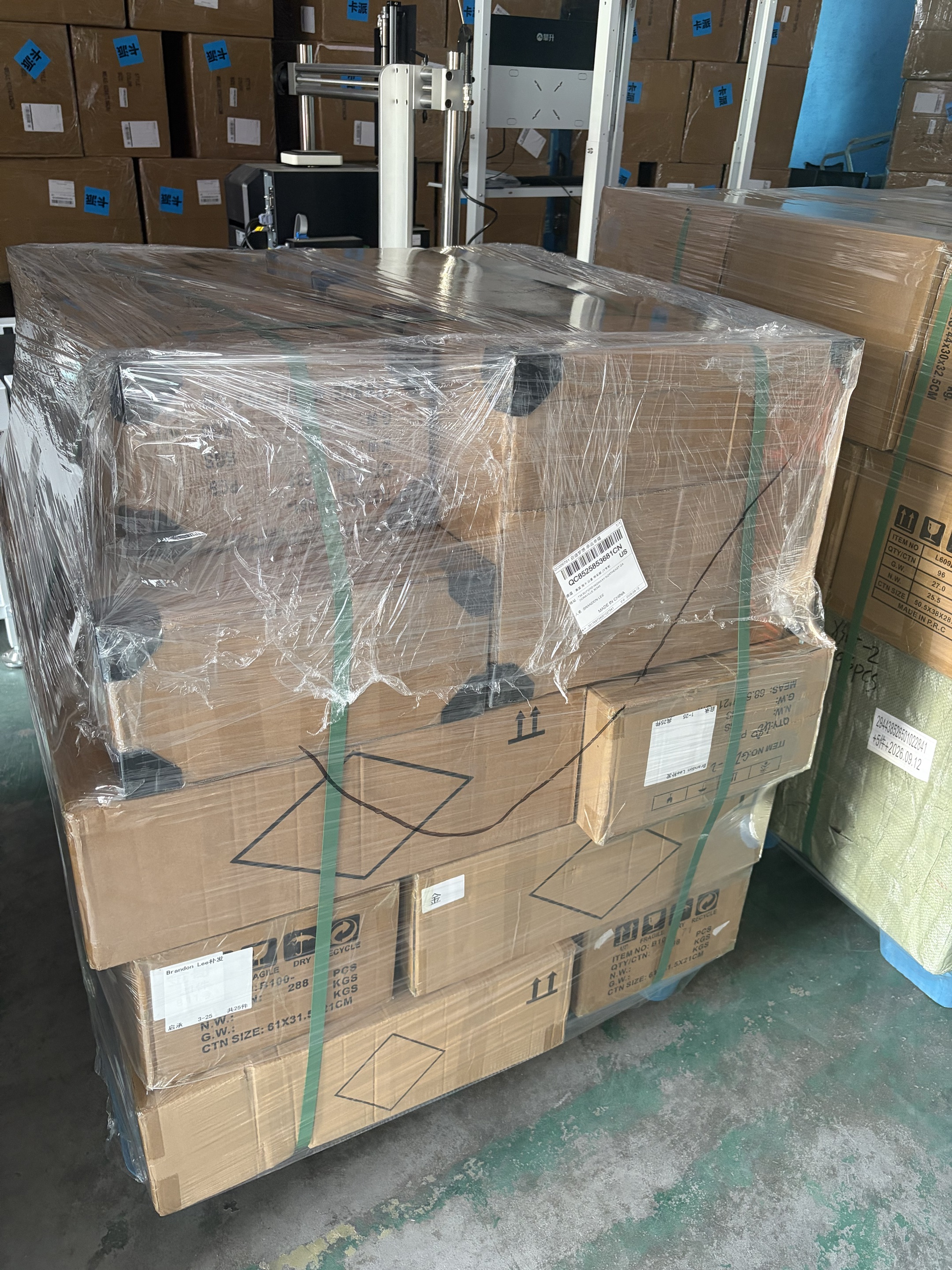
If marine insurance is part of the discussion, add a separate insurance section to the booking review. Confirm whether the shipment is an eligible sea-freight arrangement, what terms apply, what exclusions or conditions exist, which documents are needed and who confirms the status before booking.
Do not write “insured” without the supporting conditions. The confirmed service direction permits a discussion of a marine-insurance support offer for eligible sea freight. It does not extend the offer to air freight, guarantee all-risk coverage or promise a particular claim result. If the terms are not yet available, mark the field as pending and ask for written confirmation.
6. Confirm destination information and responsibility
Destination handoff requires its own check. Identify the receiving party, contact information, delivery context and any information that must be prepared before arrival. Ask who coordinates the destination-side file and who responds if an additional question is raised.
Use careful language: a provider may prepare information, coordinate communication and support a handoff. That does not guarantee customs clearance, release, duty treatment, warehouse acceptance or final delivery. The buyer should keep those outcomes as shipment-specific responsibilities requiring confirmation.
7. Check the exception plan
List the events that could interrupt booking: supplier data arrives late, package counts change, cargo is not ready, a description needs correction or a destination party requests additional information. For each event, record the first contact, the information needed and the decision owner.
An exception plan should also cover a change in mode. If the cargo moves from sea to air freight, the documents, routing assumptions and insurance discussion need to be reviewed again. A sea-freight insurance condition should never be copied into an air-freight record.
8. Complete the final checklist
|
Area |
Confirm before booking |
|
Shipment |
Destination, LCL/FCL mode and origin collection context are stated |
|
Cargo |
Descriptions, quantities, packages, dimensions and weights are reviewed |
|
Suppliers |
Contacts, readiness and outstanding fields are listed |
|
Documents |
Commercial and packing information are aligned or exceptions recorded |
|
BOL |
Applicable structure, review owner and correction process are clear |
|
Insurance |
Eligibility and applicable marine-insurance terms are written down |
|
Destination |
Handoff party, information and open requirements are identified |
|
Exceptions |
Escalation path and mode-change review are defined |
If a row cannot be completed, that is a reason to ask a question—not a reason to invent an answer.
Conclusion
A Middle East sea-freight booking is easier to coordinate when cargo, supplier, document, BOL, insurance and destination questions are reviewed together. Use the checklist to show what is confirmed, what remains open and who owns the next action. For a shipment-specific review, ask IMEX Mall to review your Middle East booking checklist.
Sources and risk notes
Sources: Customer-confirmed Middle East product card, approved topic plan and IMEX Mall service direction.
Risk notes: Document fields, port requirements, cargo restrictions, route, timing, destination responsibilities and insurance terms require confirmation. Marine-insurance support is limited to eligible sea-freight arrangements under applicable terms; it is not an all-risk or automatic-claim promise. The checklist does not guarantee customs or transport outcomes.