


 EN
For a small or growing business in Peru, choosing between sea freight and air freight from China can look like a simple price comparison. In practice, the better question is whether the transport mode fits the cargo, the inventory plan, the supplier structure and the documents available for the shipment.
This matters even more when the buyer purchases from several Chinese suppliers. A shipment may need sourcing support, cargo consolidation, document coordination and destination preparation before a freight booking can be handled cleanly.
The following questions can help Peru buyers structure a more useful conversation with a logistics provider.
1. What is the cargo profile and why does it matter?
Start with the product and the shipment facts that are already known:
-
What products are being shipped?
-
How many cartons, pallets or other packages are expected?
-
What are the dimensions and weights?
-
Are there any product, battery, size, handling or destination restrictions to review?
-
Is the cargo ready from one supplier or will it arrive from several suppliers at different times?
These questions help the provider understand whether the discussion should focus on LCL, FCL, sea freight, air freight or a combination of sourcing and consolidation steps. They also prevent the buyer from receiving a quote based on incomplete assumptions.
For example, the same mode may not be appropriate for every product in a mixed shipment. An electric or regulated item, oversized packaging or incomplete product documentation may require a separate review. The buyer should confirm the conditions before treating an example product as accepted cargo.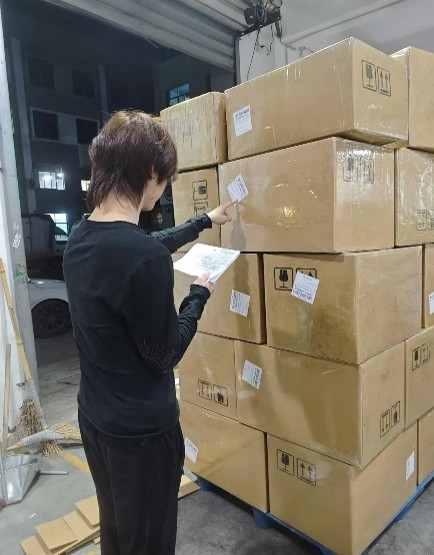
2. Is sea freight or air freight being compared for the right reason?
Sea freight and air freight should be compared against the buyer’s operating need, not only against a rate.
Sea freight may be considered when the shipment can be planned and when LCL or FCL consolidation is part of the solution. It may also be relevant when the buyer is combining cargo from multiple suppliers. The important questions are how the cargo will be collected, when it will be consolidated, how the documents will be prepared and what destination responsibilities apply.
Air freight may be considered when the buyer has a specific inventory or delivery requirement that makes air service worth evaluating. Air does not remove the need for complete product and commercial information. The buyer still needs to confirm packaging, documentation, destination requirements and responsibility for any additional checks.
The right mode is therefore the one that fits the shipment’s profile and business need after the relevant constraints have been checked. Without those details, a simple sea-versus-air price comparison can be misleading.
3. How many suppliers are involved?
Supplier count changes the shipment conversation. With one supplier, the buyer may have one document set and one cargo-ready date. With several suppliers, the provider may need to coordinate different product descriptions, packing information, invoices and ready dates.
Peru buyers should ask:
-
Can the provider receive cargo from multiple Chinese suppliers?
-
Is cargo consolidation available for the intended shipment structure?
-
Which supplier information must be submitted before the cargo is accepted?
-
How are late or incomplete supplier documents handled?
-
Which party checks that the final information is consistent?
IMEX Mall’s confirmed Peru service direction includes China sourcing and cargo-consolidation support as a discussion point for small sellers, together with sea and air freight. The exact scope still needs to be confirmed. “Sourcing and consolidation support” should not automatically be interpreted as a full procurement-agent, supplier-screening, inspection, payment or warehousing service.
4. What should be clarified about LCL and FCL?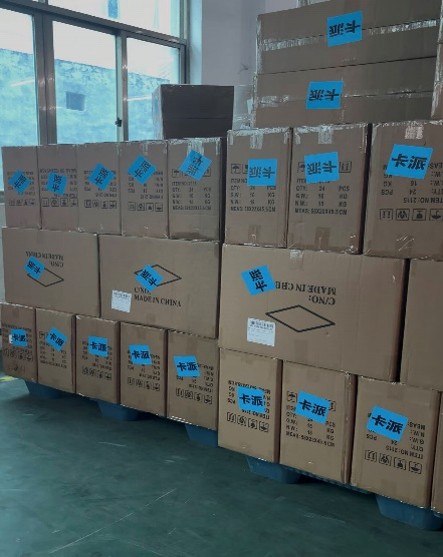
When multiple suppliers are involved, LCL and FCL are not only capacity choices. They also affect the way cargo is collected, consolidated and documented.
Ask the provider to explain:
-
what shipment structure is being proposed;
-
how cargo from different suppliers will be identified;
-
which documents are needed for each supplier;
-
how the bill of lading, or BOL, will be coordinated;
-
whether the final arrangement uses one BOL or another document structure; and
-
which conditions may change the proposed arrangement.
The buyer should ask for this explanation in writing. It makes the quotation easier to compare and avoids assuming that every multi-supplier shipment has the same document outcome.
5. What does “destination-clearance preparation” include?
A logistics provider may help prepare or coordinate destination documentation, but buyers should ask what that wording means in the actual service.
Useful questions include:
-
Which documents are prepared, checked or collected?
-
Which information must the buyer or importer provide?
-
Who communicates a document question to the supplier?
-
Which destination party handles the next step?
-
What happens if the product description or commercial value needs clarification?
These questions do not replace the buyer’s own compliance responsibilities or local professional advice. They help define the handoff so that the buyer does not assume that a freight booking alone includes every destination service.
6. What should a Peru freight quotation show?
A useful quotation or service proposal should make its assumptions visible. Before comparing offers, ask for the following items:
|
Area |
What to confirm |
|
Cargo |
Products, package count, dimensions, weight and special handling questions |
|
Mode |
Sea, air, LCL or FCL structure and why it fits |
|
Suppliers |
Number of suppliers, cargo-ready dates and consolidation location |
|
Documents |
Required supplier information, BOL coordination and missing-document process |
|
Destination |
Destination handoff, document preparation and buyer responsibilities |
|
Scope |
Whether sourcing, supplier screening, inspection, storage or packing is included |
|
Exceptions |
Product restrictions, changes in cargo details and incomplete information |
The purpose is not to make every proposal look identical. It is to ensure that the buyer understands what is included before choosing based on a headline number.
How IMEX Mall can fit into the discussion
IMEX Mall’s Peru regional service group is designed around sea and air freight, with LCL/FCL, multi-supplier document integration, BOL coordination and China sourcing/consolidation as the main discussion points. For a small seller, that combination can make the initial inquiry more structured: first clarify the sourcing and consolidation need, then match the cargo to a transport mode and documentation workflow.
The exact service boundaries should be confirmed for each shipment. A careful conversation should identify what IMEX Mall will coordinate, what the suppliers must provide, what the buyer must approve and which destination steps belong to another party.
Next step
Before requesting a Peru sea or air quote, prepare your product list, supplier count, cargo-ready dates, available documents and destination requirements. Ask the logistics provider to explain the LCL/FCL structure, the document workflow and the scope of any sourcing or consolidation support.
Request a Peru shipment review.