


 EN
Booking a Europe shipment is rarely difficult because a buyer lacks a freight rate. The harder problem is getting cargo, supplier information and shipping documents aligned before the booking is placed. When several Chinese suppliers contribute to one LCL or FCL movement, a small mismatch in names, quantities or packing details can create repeated questions between the buyer, suppliers, forwarder and destination-side parties.
This checklist is designed for that stage. It does not guarantee customs clearance or a sailing result. Instead, it helps a buyer make the shipment record clear enough for a logistics partner to review, coordinate and hand off the required information. IMEX Mall can discuss Europe sea freight in both LCL and FCL scenarios and can support documentation preparation and coordination for multi-supplier cargo, subject to shipment arrangement and operating terms.
1. Confirm the shipment objective
Start with one short statement of what the shipment is intended to do. Is it a replenishment shipment for an overseas warehouse, a consolidated delivery for an e-commerce order cycle, or a full-container movement for a larger purchase? Record the intended European country and delivery context, but do not assume that one process applies to every European destination.
The objective helps the logistics partner decide what must be reviewed first. A mixed-supplier LCL shipment may need more attention on consolidation and document consistency. An FCL shipment may require a clearer container-level packing plan. In either case, the first booking conversation should distinguish the origin collection arrangement, the transport mode and the destination handoff.
2. Build a cargo master list
Create one master list before asking suppliers to send separate files. At minimum, ask each supplier to provide:
Seller or shipper name and a consistent contact person;
Product description written in plain, specific language;
Number and type of packages;
Gross weight, net weight and dimensions where available;
Marks, carton references and any supplier purchase reference;
Ready-to-ship status and the collection location;
Any known handling, packing or transport restriction that needs review.
The purpose is not to create a new compliance opinion. It is to make differences visible. If one supplier calls an item “accessories” while another calls a similar item “parts,” ask whether the descriptions should be made more consistent. If dimensions are estimates, mark them as estimates rather than presenting them as final facts.
3. Check supplier information before consolidation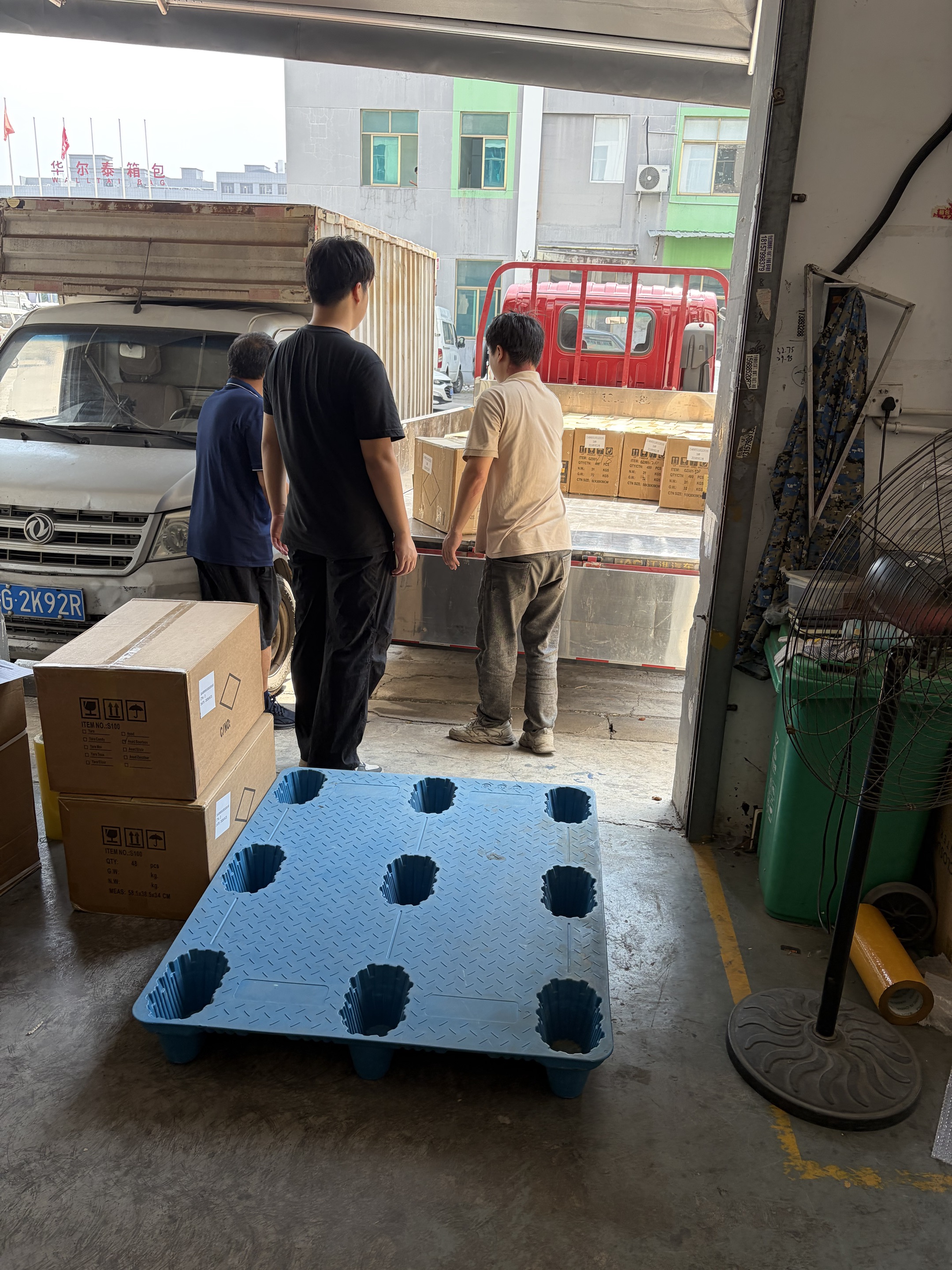
Multi-supplier cargo becomes easier to coordinate when every supplier uses the same basic reference structure. Give suppliers a cut-off for submitting their information, then check whether the names, quantities and package references match the commercial and packing records.
Do not silently merge contradictory data. Keep a short exception list: missing carton count, changed ready date, different product description or an unclear consignee instruction. A forwarder can only coordinate what is visible. An early exception list is usually more useful than a long email chain that hides which field is still open.
4. Align commercial and packing information
Commercial documents and packing information answer different questions, but they need to describe the same physical shipment. Compare the product descriptions, quantities, package numbers and declared parties across the files that will be used for the shipment review. If the buyer uses an internal SKU, include a mapping to the supplier’s description instead of replacing the supplier’s description without explanation.
For an LCL movement, check how each supplier’s cargo will be identified within the consolidated shipment. For an FCL movement, check whether the loading plan, package count and container-level information are understood by all parties. The exact document format and required fields should be confirmed with the logistics partner for the specific booking.
5. Decide what BOL structure is appropriate
A bill of lading (BOL) is not simply a final formatting step. The buyer should ask how the multi-supplier information will be coordinated and what BOL structure is applicable to the shipment arrangement. In some operating structures, the logistics party may coordinate consolidated information and issue or arrange a BOL through the carrier process. Whether one BOL is suitable for all cargo is subject to the shipment arrangement, applicable documentation structure and operating terms.
Ask these questions in writing:
Which parties will be named on the relevant shipping documents?
How will each supplier’s cargo be referenced in the consolidated file?
What information must be final before BOL details can be reviewed?
Who checks the draft information, and who approves corrections?
This is documentation coordination, not a promise that a destination authority will accept a particular outcome. The aim is to reduce ambiguity before the handoff.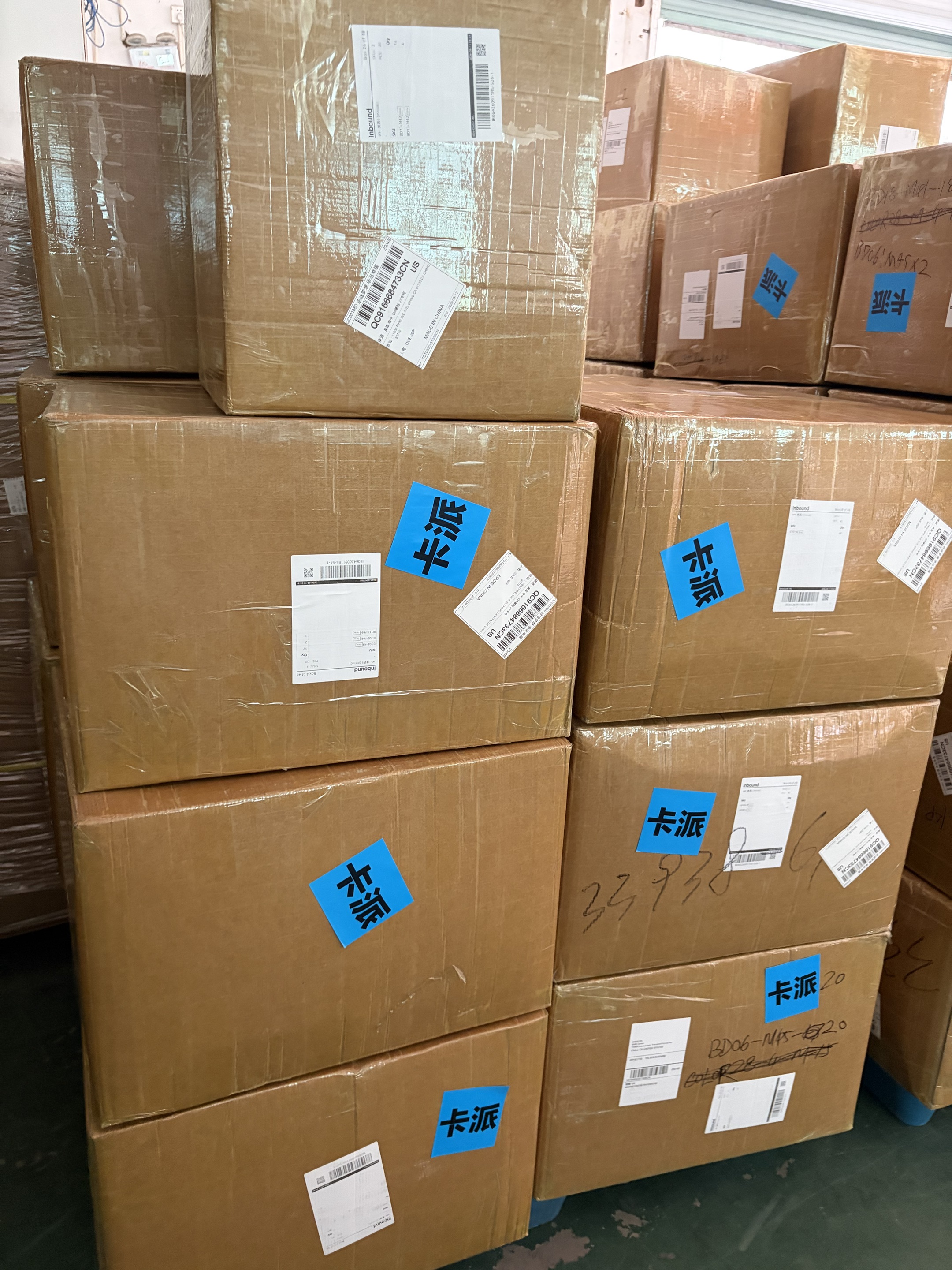
6. Confirm the mode and destination handoff
For Europe, buyers may consider sea freight, air freight or land transport depending on the shipment profile and the agreed route. This article focuses on LCL/FCL sea-freight preparation, but the pre-booking record should still state the intended mode clearly. Record the destination country, delivery point or warehouse context, and the party responsible for the next handoff.
Avoid filling gaps with assumptions about port, airport, inland coverage, transit time or customs responsibilities. Those details should be confirmed for the specific country, cargo and service arrangement. A clear “to be confirmed” field is safer than an apparently precise field that has never been checked.
7. Use a final review table
Before submitting the booking request, review the shipment as one record:
|
Review area |
Questions to close before booking |
|
Cargo |
Are descriptions, package counts, weights and dimensions consistent? |
|
Suppliers |
Has every supplier submitted the required information and contact? |
|
Documents |
Do commercial and packing records describe the same cargo? |
|
BOL |
Has the applicable BOL structure and approval process been discussed? |
|
Mode |
Is the request clearly LCL or FCL sea freight, with alternatives noted if needed? |
|
Destination |
Are the destination handoff and responsible parties identified? |
|
Exceptions |
Are missing or estimated fields listed for follow-up? |
The table is a communication tool, not a customs checklist or legal opinion. It helps the buyer and logistics partner agree which questions are open.
8. What a logistics partner should review
When comparing providers, look for a partner willing to review the complete record rather than only the headline rate. Ask whether the provider can coordinate multi-supplier documentation, explain the applicable BOL process, and identify the information required for destination handoff. For IMEX Mall’s Europe service group, LCL/FCL discussions can be connected with documentation preparation and coordination, while final service scope remains shipment-specific.
The strongest pre-booking outcome is not a promise that every shipment will follow one template. It is a shared record that shows what is known, what is missing and who owns the next action.
Conclusion
Before booking Europe LCL/FCL cargo from multiple Chinese suppliers, unify the cargo master list, supplier references, commercial and packing information, BOL questions, transport mode and destination handoff. Keep uncertain fields visible and obtain written confirmation for the shipment-specific structure. If you want an outside review of the record, request a pre-booking checklist review from IMEX Mall.
Sources and risk notes
Sources: Customer-confirmed Europe product card, approved topic plan and IMEX Mall service direction.
Risk notes: Specific document fields, cut-off nodes, cargo restrictions, destination requirements, ports, rates and transit times require shipment-specific confirmation. A BOL structure is subject to carrier process, shipment arrangement and operating terms. This checklist does not guarantee customs clearance or transport performance.