


 EN
For a small or growing seller in Peru, buying from China can involve several separate decisions: which products to source, how to coordinate suppliers, where to bring the cargo together and whether to book sea or air freight. Treating these as unrelated tasks can make the final shipment difficult to explain and difficult to document.
A more useful approach is to map the workflow before booking. The buyer can define the sourcing need, clarify the consolidation scope, organize supplier information and then compare the sea or air options that fit the actual shipment.
Step 1: Define the sourcing need
Start with the product demand rather than the transport quote. Prepare:
product names and descriptions;
expected quantities and packaging;
the supplier or product categories being considered;
the intended Peru destination; and
any product, battery, size or handling questions.
The goal is to make the buying request specific enough for a logistics discussion. “Find products in China” can mean different things. It may refer to locating suppliers, coordinating cargo already purchased, or combining information from several suppliers. The buyer should identify which of these needs is actually in scope.
IMEX Mall's confirmed Peru direction includes China sourcing and cargo-consolidation support as a discussion point for small sellers. The exact boundary still needs to be confirmed for the shipment. It should not automatically be understood as a full procurement-agent, supplier-quality, inspection, payment or warehousing service.
Step 2: Map suppliers and ready dates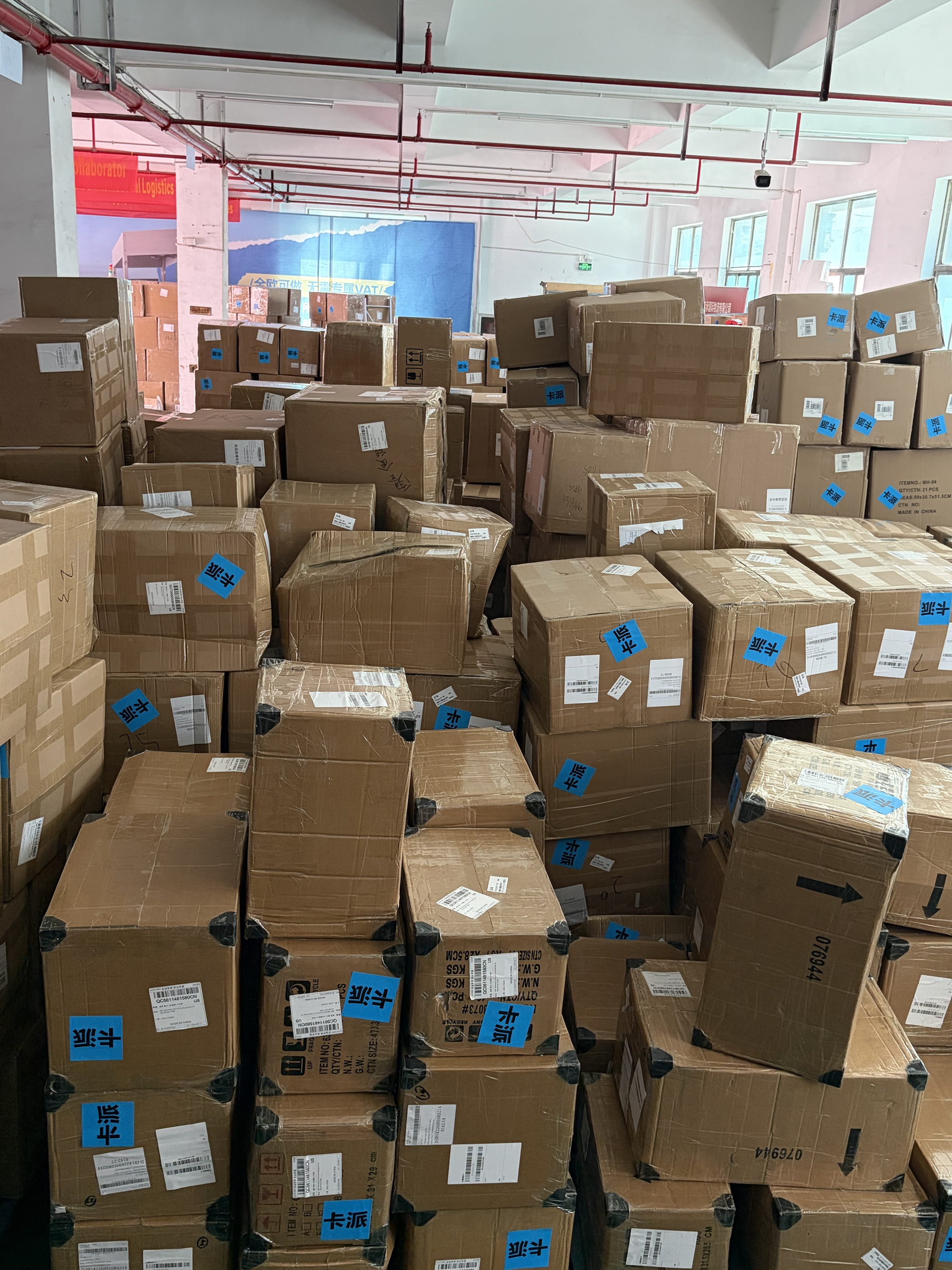
Once the product list is visible, create a supplier map. Record who supplies each product, where the cargo will be ready, what information is available and when each supplier expects to release the goods.
This step matters because a multi-supplier shipment rarely arrives as one uniform file. Supplier descriptions, package counts, dimensions, weights and commercial information may be prepared in different formats. A clear map gives the provider and buyer a common starting point for receiving and consolidation.
Ask:
Which supplier is responsible for each product?
What information has already been confirmed?
Which supplier files are missing or inconsistent?
Can the cargo be received and identified under the proposed arrangement?
What changes could affect the consolidation plan?
The buyer does not need to force every supplier into the same internal process. The important point is that the shipment-level information becomes clear enough for the proposed service arrangement.
Step 3: Define the consolidation scope
Consolidation can refer to different operational needs. The buyer should ask what the provider will coordinate and what remains with suppliers or the buyer.
Clarify whether the proposed scope includes:
receiving supplier cargo;
identifying cargo by supplier or product;
integrating product and packing information;
coordinating the proposed BOL arrangement;
preparing information for the destination handoff; and
comparing sea and air freight after the cargo profile is known.
The exact BOL structure remains subject to the shipment arrangement, carrier process and operating terms. A buyer should not assume that all supplier cargo will automatically be represented by one BOL without confirmation.
Step 4: Prepare a consistent document set
Before choosing the mode, organize the available information into one working file. It can include:
supplier name and contact;
product description and quantity;
package count, dimensions and weight;
cargo-ready date and collection location;
commercial and packing information; and
open product or destination questions.
This is not a substitute for the final documents required for the shipment. It is a coordination tool that helps identify gaps before booking. The buyer should also record which fields are confirmed by the supplier and which still need review.
Step 5: Compare sea and air after the facts are visible
Peru's confirmed transport scope for this project is sea freight and air freight. The choice should follow the cargo and inventory plan, not precede them.
Sea freight may be evaluated for planned movements where the buyer can organize cargo readiness and a defined consolidation structure. Air freight may be evaluated for a different shipment profile or planning need. Neither option should be described as universally faster, cheaper or more suitable without shipment-specific information.
Use the same questions for both modes:
|
Decision area |
Question |
|
Cargo |
What products, quantities and packages are ready? |
|
Suppliers |
How many suppliers are involved, and when are they ready? |
|
Consolidation |
Where will cargo be received and identified? |
|
Documents |
Which information is available and which gaps remain? |
|
BOL |
What arrangement is proposed for this shipment? |
|
Destination |
Which handoff and buyer responsibilities apply in Peru? |
Step 6: Record the responsibility boundary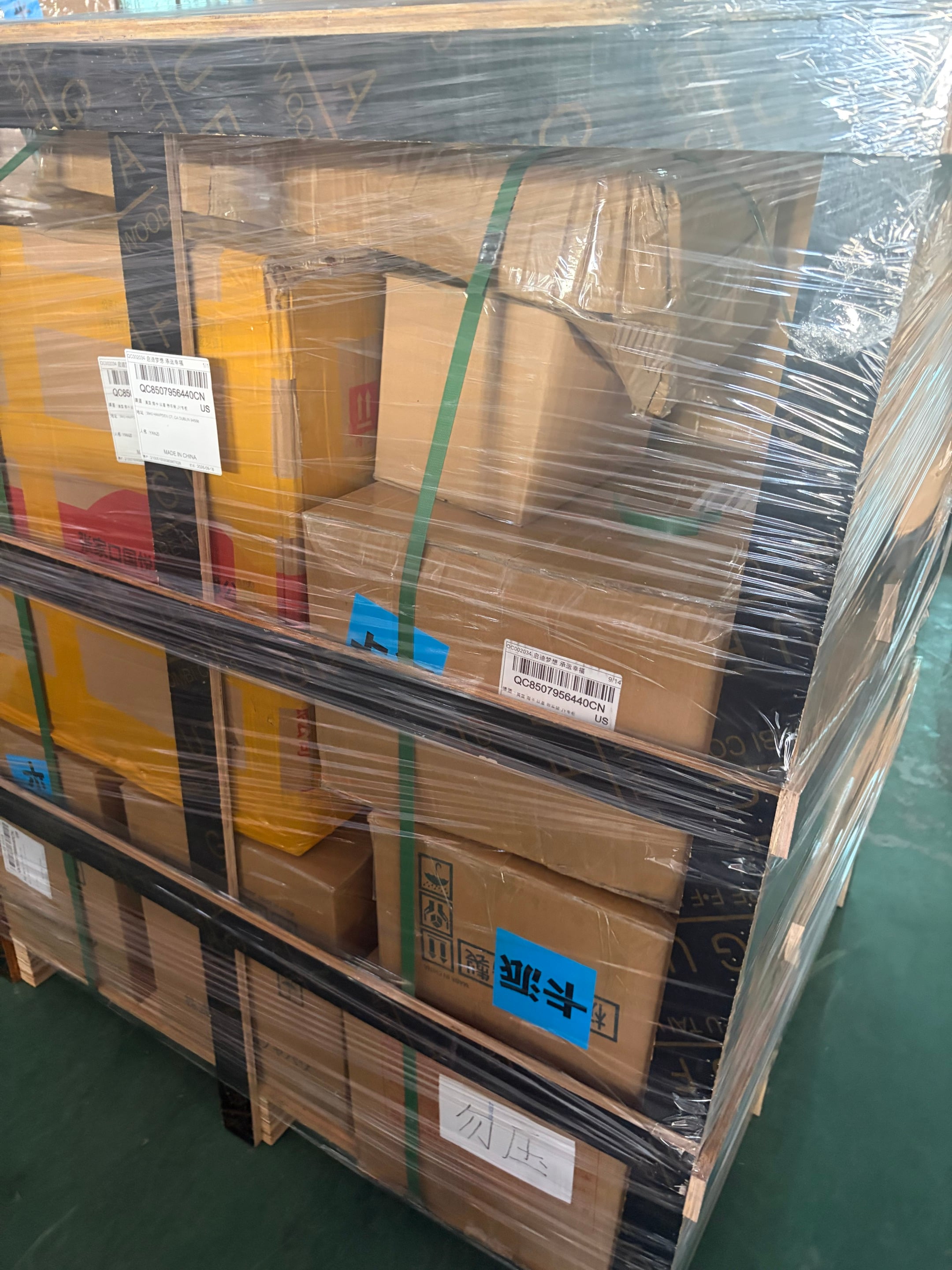
Before booking, ask for a short written summary of the workflow. It should identify what IMEX Mall will coordinate, what suppliers must provide, what the buyer must approve and which destination steps belong to another party.
This is especially useful for small sellers who may not have a separate logistics team. A written responsibility boundary prevents a general sourcing or consolidation discussion from being interpreted as an unlimited end-to-end promise.
How IMEX Mall can support the Peru workflow
IMEX Mall's Peru regional service direction includes sea and air freight, China sourcing and cargo-consolidation discussion, LCL/FCL evaluation, multi-supplier information integration and BOL coordination. A buyer can begin with the supplier map, product list, ready dates and available documents.
The first objective is to determine which steps are actually needed: sourcing discussion, cargo receiving, consolidation, documentation coordination, transport booking or a combination. The provider can then explain the proposed workflow and its open questions before the buyer selects a mode.
Next step
Prepare a product-and-supplier map for the Peru shipment. Ask for a scope review covering sourcing, consolidation, documents, BOL coordination and the sea or air booking decision.
Map your China-to-Peru workflow.
Sources and risk notes
Customer-confirmed product and topic card for Peru Regional Logistics Services.
Customer-confirmed service direction: Peru sea and air; China sourcing/consolidation direction; multi-supplier information integration; BOL coordination.
Website pages to verify at production: Peru service page and final destination page URL.
No unverified supplier-quality claims, procurement promises, inspection, payment, warehousing, rates, transit times or customs outcomes are used.
Review before publication: exact sourcing/consolidation scope and destination responsibility.