


 EN
For an overseas-warehouse replenishment program, “DDP” can sound like a complete answer. In practice, it is a service arrangement that needs to be understood at shipment level. The buyer still needs to know which cargo is eligible, which documents are required, what the destination handoff looks like, and who owns an exception when a shipment does not follow the expected path.
The questions below help buyers assess a UK or Europe DDP partner before moving from a trial shipment to repeat replenishment. They are not legal or customs advice, and they do not imply that one DDP arrangement applies to every country, product or delivery point. IMEX Mall can discuss UK DDP and broader Europe sea, air and land transport options, subject to shipment-specific eligibility, documents and operating terms.
1. What exactly does “DDP” include in this shipment?
Ask the provider to describe the scope in plain language. Which transport legs are included? Which destination handoff is included? Which duties, taxes or destination charges, if any, are handled under the agreed arrangement? Which charges remain with the buyer or warehouse?
Avoid accepting a one-word answer. A useful scope statement names the origin activity, international movement, destination coordination and final delivery responsibility. It also identifies what is not included. The same label can represent different operating terms, so the written quotation and shipment instruction matter more than the label alone.
2. Is the cargo eligible for the proposed route?
The buyer should provide a complete product description before asking for a DDP commitment. Product category, material, battery content, dimensions, packaging and intended use may affect the review. IMEX Mall’s confirmed discussion includes UK DDP scenarios such as full-container shipments, electric vehicles and toys as examples for evaluation; these examples must not be treated as an unconditional acceptance list.
Ask the provider:
Is this product category eligible under the proposed shipment arrangement?
Are additional documents, declarations or handling controls needed?
Are there packaging, labeling or transport restrictions to clarify?
Does the answer change for a different European country or warehouse?
The right answer may be “we need more information.” That is safer than a generic approval that later creates an exception.
3. Who prepares and approves the documents?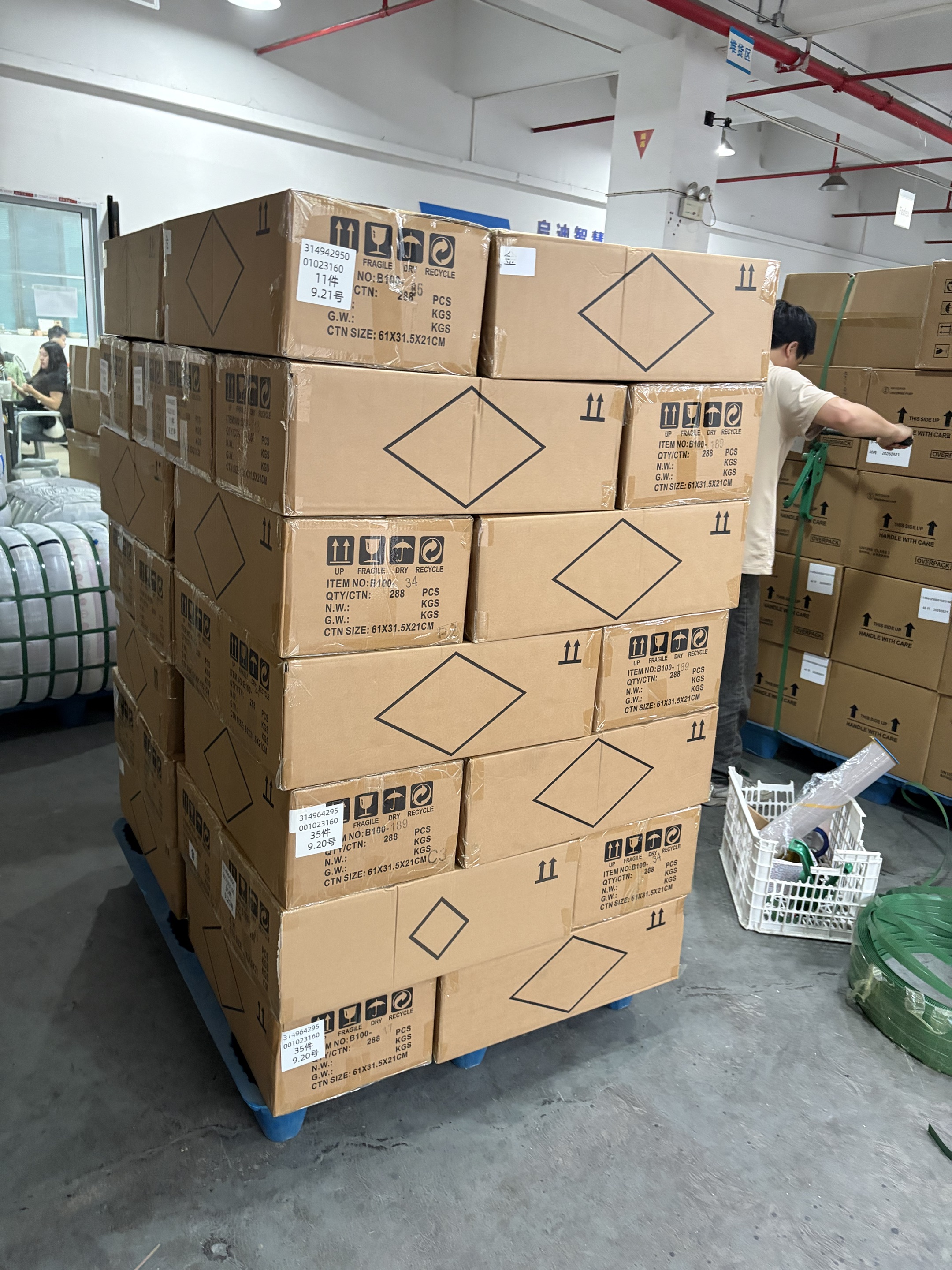
DDP does not remove the need for accurate shipment information. Clarify who prepares the commercial and packing information, who supplies product-specific documents, and who reviews the final data before the shipment is handed to the carrier or destination-side party.
For multi-supplier cargo, ask how the provider coordinates names, quantities, package references and descriptions. A partner with experience in e-commerce cargo may be able to help with documentation preparation and coordination. If a BOL is used, ask how the applicable BOL structure will be determined. One BOL for all cargo is not an automatic promise; it depends on the shipment arrangement, carrier process, applicable documentation structure and operating terms.
4. What does warehouse delivery mean?
“Delivery to a warehouse” should be translated into operational details. Ask whether the warehouse requires a booking slot, reference number, pallet specification, carton labeling, delivery notice or other instruction. Confirm who communicates with the warehouse and who receives proof of handoff.
The buyer should separate warehouse requirements from customs or import requirements. A warehouse may reject a delivery because of an appointment or labeling issue even when the transport file is complete. Conversely, a transport provider may need information that the warehouse never sees. A written responsibility matrix helps keep these tasks separate.
5. How are exceptions handled?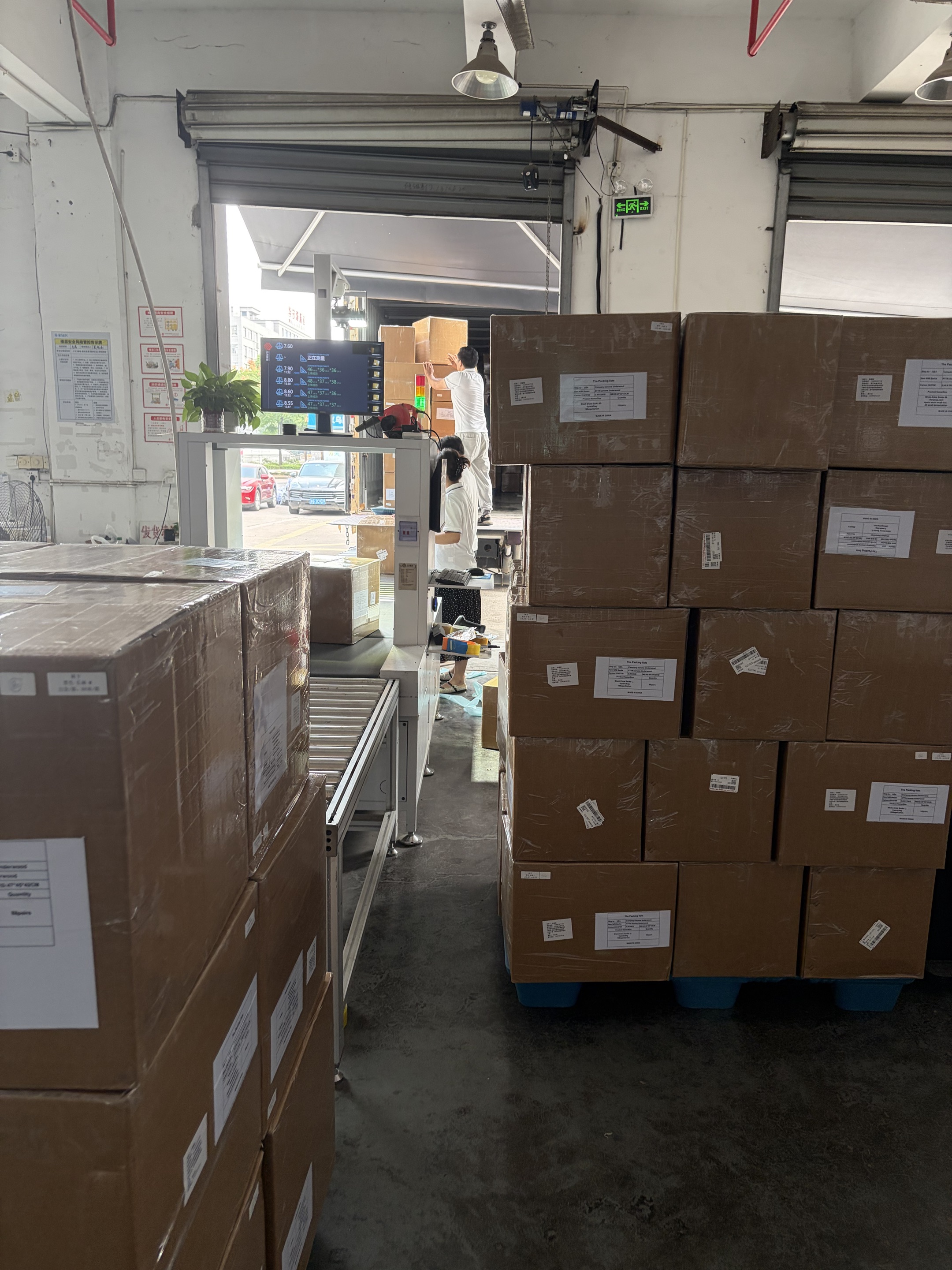
Ask for the process, not a promise that exceptions will never occur. Who is the first contact when a document is inconsistent? Who informs the buyer if the cargo is held for additional review? Who decides whether to amend, return, re-route or wait? What information must the buyer provide, and within what agreed communication window?
The provider should distinguish coordination from outcome. A logistics partner can prepare information, communicate with relevant parties and coordinate a next step. It should not guarantee a customs decision, release result, warehouse acceptance or delivery time without shipment-specific authority and confirmation.
6. Can the model support repeat replenishment?
Repeat buyers should test whether the process is reusable. Ask whether the provider can maintain a shipment information template, record recurring warehouse instructions and identify changes between shipments. Reusability does not mean copying old data without review. Product, supplier, destination and terms can change, so each shipment still needs a fresh check.
Review how the partner handles:
New suppliers joining a consolidated movement;
A change from LCL to FCL or from sea to air freight;
A change in the receiving warehouse;
A product change, including a battery or special-handling question;
A document correction after the initial draft.
7. Which transport mode supports the replenishment objective?
Europe offers sea freight, air freight and land transport discussions. A DDP workflow should explain where each mode fits, without presenting one as universally best. Sea freight may suit a planned consolidation or full-container replenishment; air freight may be considered when inventory pressure or cargo profile makes that appropriate; land transport may be relevant for a confirmed route and destination context. The exact route, eligibility, timing and responsibility must be reviewed per shipment.
8. Use a partner-evaluation scorecard
|
Question area |
Evidence to request |
Boundary to record |
|
DDP scope |
Written inclusions and exclusions |
Charges and responsibilities not named remain open |
|
Cargo eligibility |
Product and handling review |
No unconditional acceptance of every category |
|
Documents |
Owners, review steps and correction process |
Buyer remains responsible for accurate product data |
|
BOL |
Applicable structure and approval workflow |
Subject to shipment arrangement and carrier process |
|
Warehouse |
Delivery instructions and handoff evidence |
Warehouse requirements need separate confirmation |
|
Exceptions |
Escalation contacts and decision points |
Coordination is not a guaranteed customs outcome |
|
Repeat flow |
Reusable checklist and change-control method |
Every shipment still needs a fresh review |
Conclusion
Choosing a UK/Europe DDP partner is less about finding a label and more about clarifying the operating model. Ask what the arrangement includes, whether the cargo is eligible, how documents and BOL information are coordinated, what the warehouse requires and how exceptions are managed. If you are planning repeat replenishment, discuss your Europe warehouse-replenishment workflow with IMEX Mall so the relevant shipment and responsibility questions can be reviewed before booking.
Sources and risk notes
Sources: Customer-confirmed Europe product card, approved topic plan, UK DDP discussion and IMEX Mall service direction.
Risk notes: DDP terms, duties/taxes, customs, warehouse procedures, product eligibility, restricted cargo, country coverage and delivery timing require shipment-specific confirmation. Electric vehicles, toys and full-container shipments are examples for eligibility review, not unconditional service guarantees.