


 EN
Choosing a transport mode for Europe-bound cargo is often reduced to a comparison of price and speed. Those factors matter, but they are not enough to explain whether a proposed shipment will work for a real buying operation.
A better decision connects the cargo profile, supplier structure, inventory plan, documentation readiness and destination handoff. Europe-bound buyers may evaluate sea freight, air freight or land transport, while LCL and FCL can shape the way an ocean shipment is organized. The right question is not “Which mode is best in general?” It is “Which mode fits this shipment and its responsibilities?”
Start with the cargo profile
Before asking a forwarder to recommend a mode, describe the shipment clearly. A useful cargo profile includes:
product descriptions and quantities;
package count, dimensions and weight;
product or handling questions that need review;
supplier locations and cargo-ready dates; and
the expected destination and delivery arrangement.
The profile should describe what is actually ready, not only what has been ordered. If different suppliers will be ready at different times, the proposed transport plan may need a receiving and consolidation discussion before the final mode is selected.
This is especially important for e-commerce buyers. A shipment may contain a mix of products sourced from different suppliers, with different packing information and different ready dates. A mode that appears suitable for one supplier’s cargo may need a different arrangement when the full supplier list is included.
When sea freight may fit the plan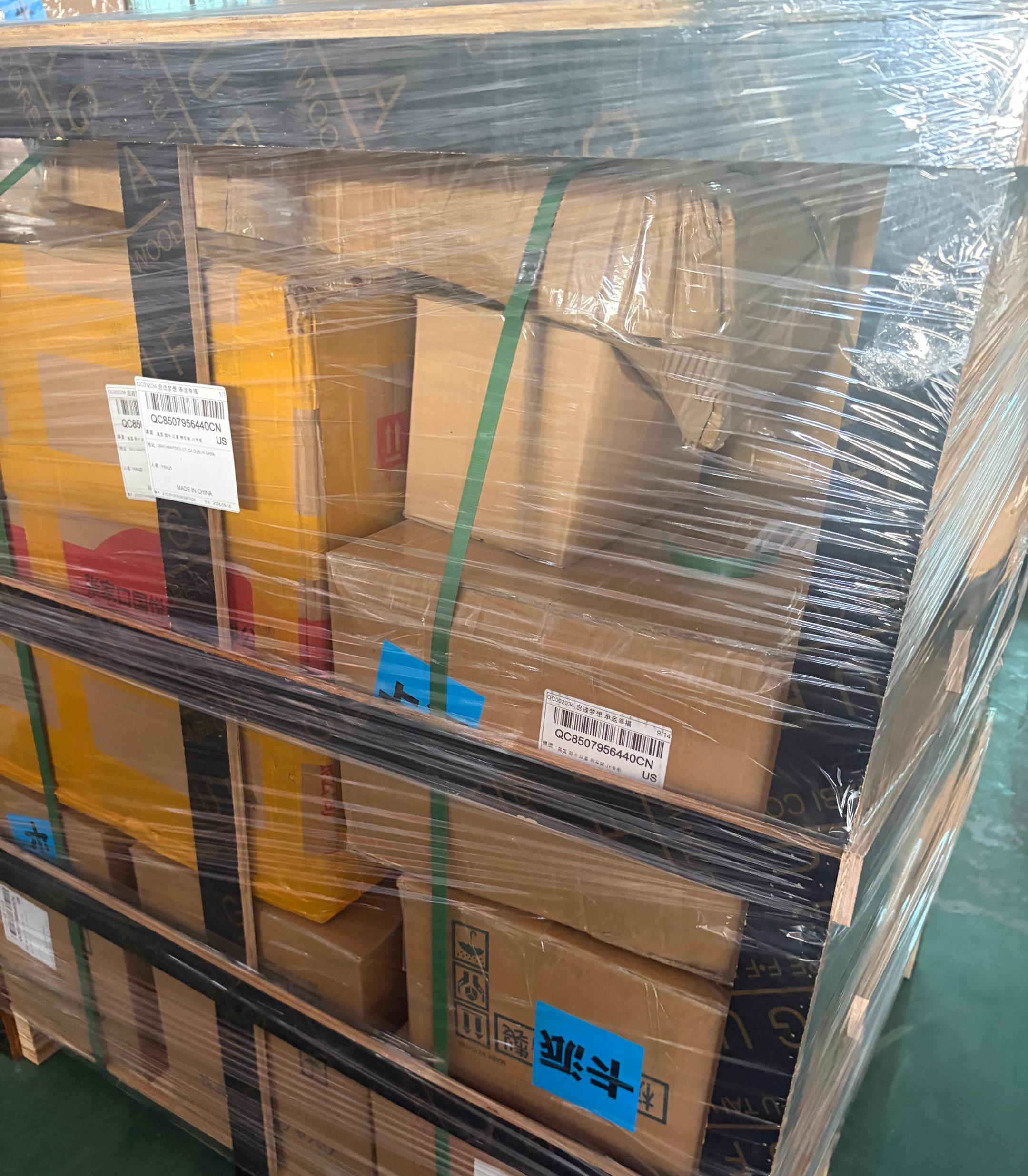
Sea freight may be evaluated when the buyer can plan the movement around cargo readiness and a defined destination handoff. Within the Europe service group, the buyer may discuss LCL or FCL according to the shipment structure.
LCL can be considered for a smaller or mixed shipment structure. FCL can be considered when the buyer has a more defined container movement. Neither label should be treated as an automatic answer. The actual cargo, supplier count, consolidation plan and document workflow still need to be reviewed.
For a multi-supplier shipment, ask how cargo will be received and identified, how supplier information will be integrated and how the BOL arrangement will be coordinated. The proposed BOL structure remains subject to the shipment arrangement, carrier process and operating terms. A buyer should not assume that every multi-supplier movement will use one BOL without confirmation.
Sea freight can therefore be a good discussion starting point for planned replenishment, but the buyer should compare the full service scope rather than an isolated ocean rate.
When air freight may fit the plan
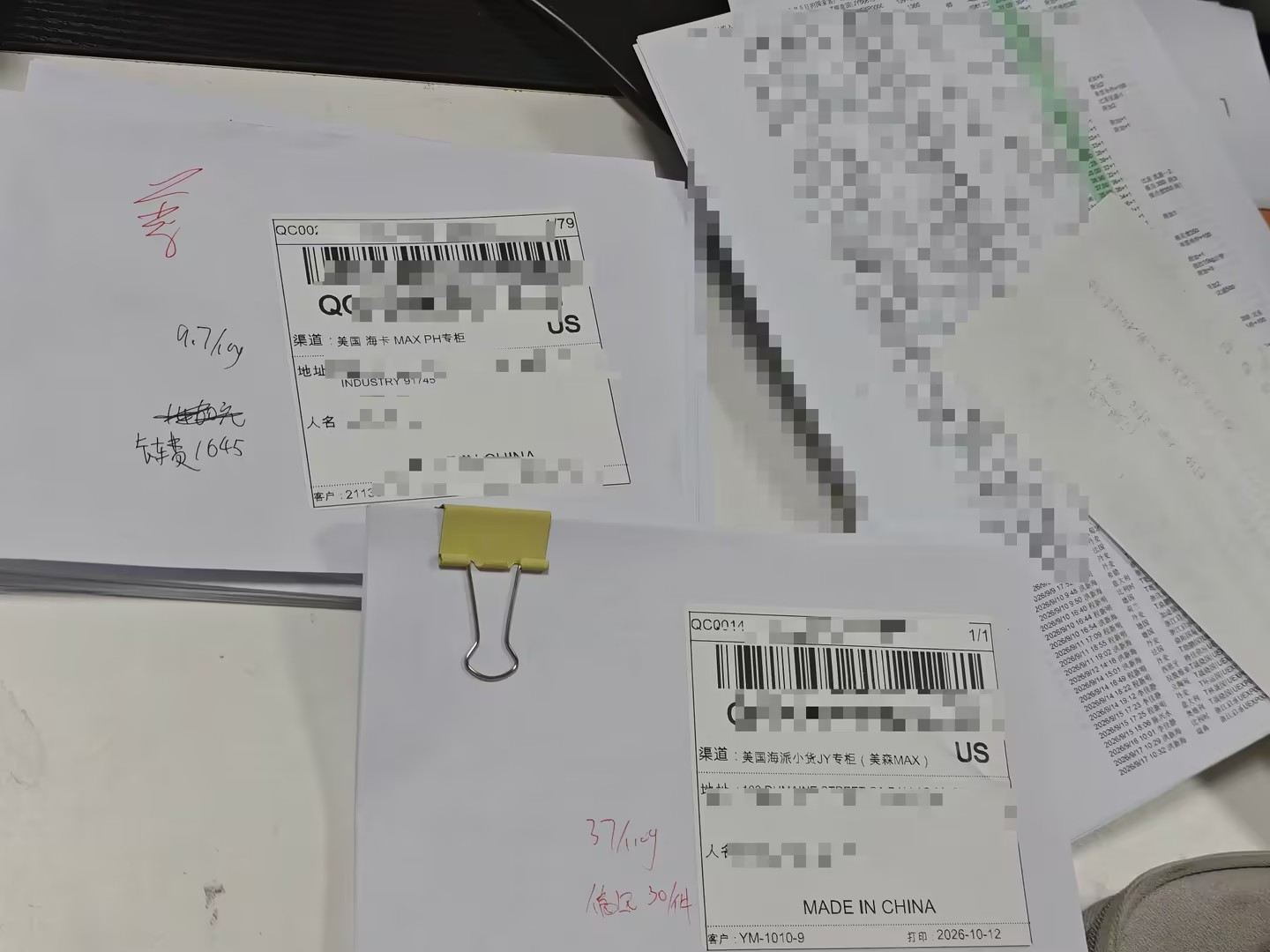
表现空运对单证一致性和快速流转的高要求,同时兼顾陆运/多式联运的中转属性。
Air freight may be evaluated when the shipment requires a different planning rhythm or when the buyer wants to discuss a mode other than an ocean arrangement. The decision should still begin with cargo readiness, product details, documentation and destination requirements.
For air-freight discussions, clarify:
Which packages are ready and what handling information is available?
Are several suppliers involved, and how will their information be coordinated?
Which commercial and packing documents must be prepared before booking?
What destination handoff does the buyer expect?
Which responsibilities remain with the buyer or importer?
Air freight does not remove the need for consistent documentation. If the product list, quantities or package information changes, the proposed arrangement may need to be reviewed again.
When land transport may fit the plan
Land transport is another Europe option to evaluate when the cargo and destination arrangement make it relevant. The decision should be based on the actual route and operating scope confirmed for the shipment, not on a general assumption about coverage or delivery time.
Ask the provider to explain:
what cargo information is needed for the proposed land arrangement;
how the shipment will move between supplier, consolidation and destination handoffs;
which documents are prepared or coordinated;
how changes or exceptions are communicated; and
which destination responsibilities remain with the buyer.
The buyer should also confirm whether the land option is being evaluated as a standalone movement or as part of a wider Europe plan that may include sea or air for different shipments.
Compare modes against the same questions
The most useful mode comparison keeps the assumptions consistent. A buyer can use a simple framework like this:
|
Decision area |
Questions to answer before choosing |
|
Cargo readiness |
What is ready now, and what may be ready later? |
|
Supplier structure |
Is the cargo from one supplier or several suppliers? |
|
Shipment structure |
Should LCL, FCL or another arrangement be evaluated? |
|
Inventory plan |
Is this testing, regular replenishment or a planned larger movement? |
|
Documents |
Are product, commercial and packing details consistent? |
|
Destination |
Which handoffs and responsibilities apply in Europe? |
|
Exceptions |
Which products or changes require a separate review? |
This framework does not produce a universal mode recommendation. It makes the comparison more transparent. It also helps the buyer identify when a quotation is based on assumptions that are not yet confirmed.
Do not choose a mode before defining responsibilities
Transport mode and service responsibility are connected but not identical. A buyer should ask who will prepare, check or coordinate the available information, what suppliers must provide, what the importer must approve and what happens when the cargo or documents change.
For Europe shipments with several suppliers, document integration and BOL coordination can be as important as the physical movement. The buyer should request a clear description of the proposed documentation preparation, coordination and destination handoff. This is different from promising a customs outcome.
How IMEX Mall can support the discussion
IMEX Mall’s Europe regional service group includes sea, air and land transport options, together with LCL/FCL discussion, multi-supplier information integration and BOL coordination. A buyer can use the first conversation to share the cargo profile, supplier structure, ready dates and available documents.
The purpose of the conversation is to compare suitable options against the real shipment. It is not to force every order into one mode. If the shipment facts change, the buyer and provider can confirm which part of the proposed arrangement needs to be reviewed again.
Next step
Prepare one shipment profile with product information, supplier list, ready dates, package details and destination requirements. Then ask for a documentation-led comparison of the Europe sea, air and land options, including any LCL/FCL and BOL assumptions.
Compare suitable Europe transport modes.
Sources and risk notes
Customer-confirmed product and topic card for Europe Regional Logistics Services.
Customer-confirmed service direction: Europe sea, air and land options; LCL/FCL; multi-supplier document integration; BOL coordination.