


 EN
For a Europe-bound shipment, the first question is often, “What is the freight rate?” That question is necessary, but it is rarely enough to make a reliable shipping decision.
A quote only becomes useful when it is connected to the cargo, the supplier structure, the destination, the documents and the way the shipment will be received. A lower number for one transport leg may create extra work later if the mode does not fit the inventory plan or if information from several suppliers is inconsistent.
For e-commerce sellers, manufacturers and overseas-warehouse replenishment teams, a better starting point is a transport plan. The plan does not have to be complicated. It should answer four practical questions:
- What is the cargo profile?
- What does the inventory plan require?
- Which transport mode fits the destination and delivery arrangement?
- Are the shipment documents ready to move together?
1. Start with the cargo profile, not the preferred mode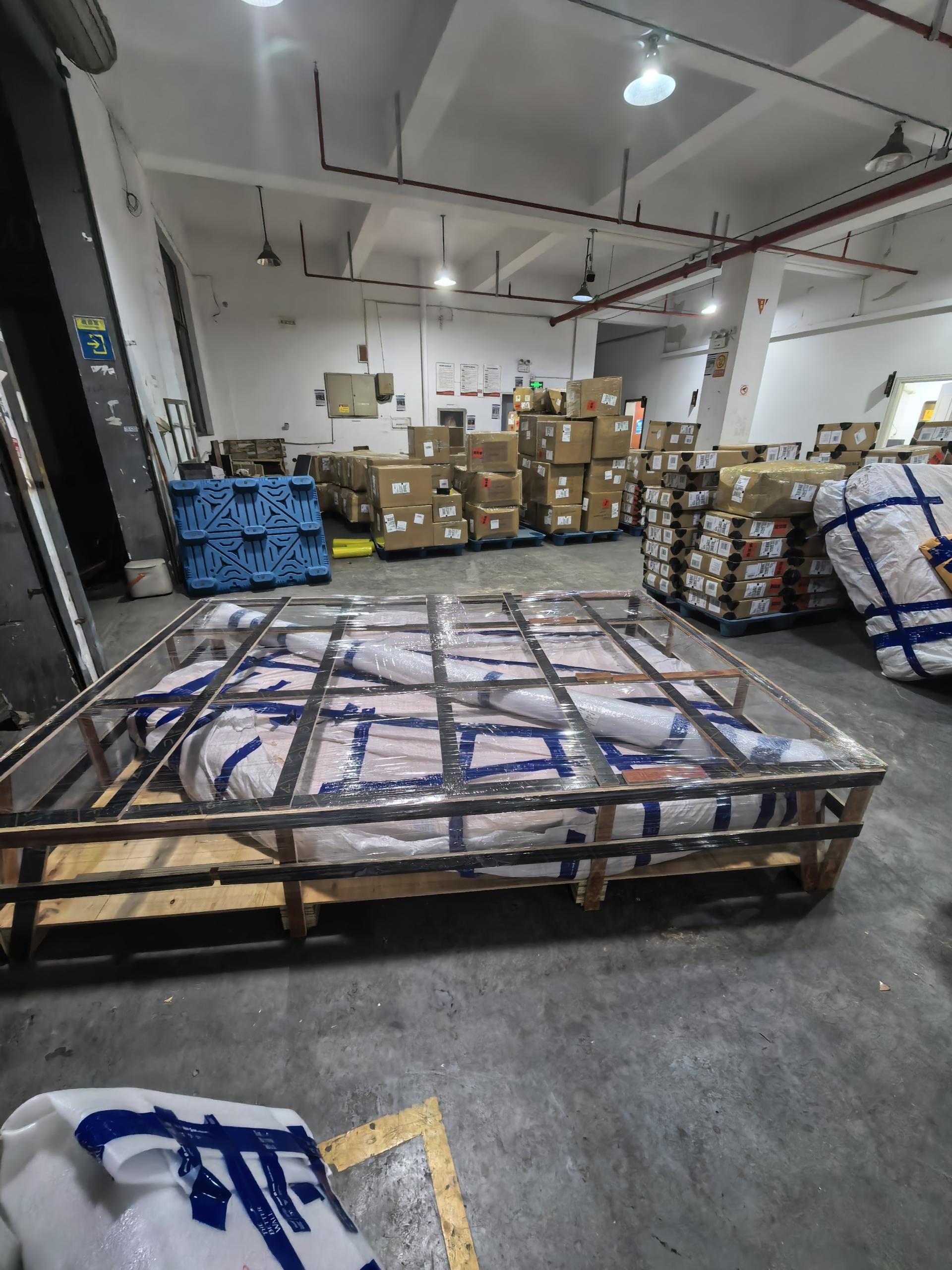
The same buyer may need different transport modes for different shipments. A shipment made up of routine replenishment cargo is not evaluated in exactly the same way as a shipment containing special handling requirements or cargo sourced from several suppliers.
Before asking for a rate, prepare a clear cargo profile. It should describe the products, packaging, quantity, dimensions, weight, supplier count and any known handling or compliance questions. For LCL and FCL planning, the buyer should also explain whether the cargo will be collected from one supplier or consolidated from multiple origins.
This information helps the logistics provider discuss the appropriate shipment structure. It also reduces the risk of comparing quotations that are based on different assumptions. If one quote assumes a single ready-to-ship supplier and another assumes several suppliers requiring consolidation, the two numbers do not describe the same service.
The cargo profile is particularly important for examples such as full-container shipments, electric vehicles or toys. These categories may require additional checks related to product documentation, dimensions, handling or destination requirements. A product example should therefore begin a verification conversation; it should not be treated as an automatic acceptance decision.
2. Connect the transport mode to the inventory plan
Europe-bound buyers commonly consider sea freight, air freight and land transport. The right choice depends on the relationship between cargo characteristics, inventory risk and the destination arrangement.
Sea freight for planned cargo and consolidation needs
Sea freight is often considered when the shipment can be planned in advance or when the buyer needs to evaluate LCL and FCL options. For a multi-supplier e-commerce shipment, the decision is not only about container space. It also includes how the cargo is collected, consolidated and documented before departure.
A buyer should ask whether the proposed service can accept the required LCL or FCL structure, how supplier information will be combined and which party is responsible for checking the documents. The goal is to understand the complete handoff, from supplier cargo to the destination documentation package.
Air freight for time-sensitive planning questions
Air freight may be considered when inventory pressure, product characteristics or a particular delivery requirement makes a different mode worth evaluating. The buyer should not assume that air freight removes documentation work. Commercial information, packing details and destination requirements still need to be clear.
An air-freight discussion should therefore include the same basic questions as a sea-freight discussion: what is being shipped, from how many suppliers, to which destination arrangement and under whose responsibility are the documents prepared?
Land transport as part of a Europe routing discussion
Land transport may be relevant to a Europe shipment depending on the origin, destination and available routing. For a buyer, the important point is not to treat land transport as a generic promise that applies to every country or cargo type. The proposed route, cargo limitations, documentation and delivery responsibility should be confirmed before the service is presented as suitable.
For this reason, a Europe transport plan can be more useful than a fixed mode preference. It allows the buyer to compare the available sea, air and land options against the actual shipment profile.
3. Treat documents as part of the transport plan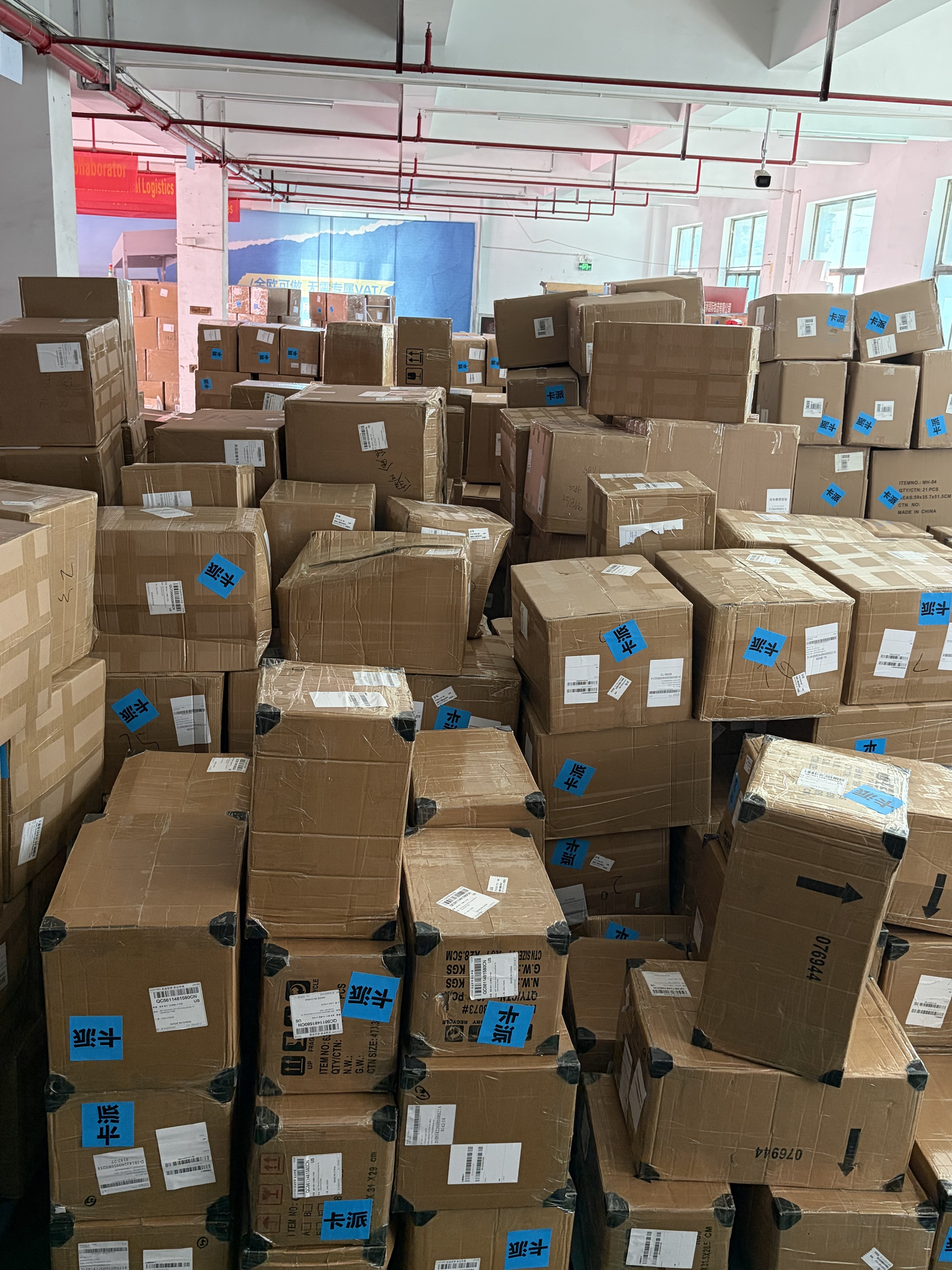
Multi-supplier cargo creates a second decision layer: document coordination. Different suppliers may use different product descriptions, packing information or commercial-document formats. If these details are not aligned early, the buyer may face repeated questions during booking or at the destination.
The buyer should ask the logistics provider to explain:
- which supplier information is required before booking;
- how the documents are checked and consolidated;
- how the bill of lading, or BOL, is coordinated when several suppliers are involved;
- which documents the buyer must provide;
- which destination-clearance documents are prepared or coordinated; and
- where the buyer’s responsibility begins and ends.
IMEX Mall’s confirmed service direction includes helping organize multi-supplier shipment information and coordinating BOL-related documentation. The exact document structure remains subject to the shipment arrangement and final operating terms. The useful promise is a clearer workflow, not an unconditional guarantee that every shipment will use one BOL or clear without further questions.
4. Use a pre-quote checklist
Before requesting a Europe freight quotation, a buyer can prepare a short checklist:
|
Area |
Questions to prepare |
|
Cargo |
What products, quantities, dimensions, weights and handling concerns are involved? |
|
Suppliers |
How many suppliers are shipping, and when will each shipment be ready? |
|
Mode |
Should sea, air or land be compared for this cargo profile? |
|
LCL/FCL |
Is the buyer considering consolidation, a full container or both? |
|
Documents |
Which commercial, packing and product documents are already available? |
|
Destination |
What delivery arrangement and destination documentation responsibilities apply? |
|
Compliance |
Are there product, size, dangerous-goods or destination restrictions to verify? |
This checklist makes it easier to compare like with like. It also helps the buyer identify missing information before the booking conversation becomes urgent.
A practical way to evaluate a Europe logistics partner
An appropriate Europe logistics partner should be able to discuss more than a transport leg. The buyer should look for a clear explanation of mode selection, LCL/FCL handling, supplier-document coordination and destination handoffs. For UK DDP or cargo examples such as full containers, electric vehicles and toys, the buyer should request a separate eligibility and compliance review.
IMEX Mall’s Europe service group is positioned around sea, air and land options, with LCL/FCL handling and multi-supplier documentation coordination as recurring discussion points. Buyers can use the initial conversation to share their cargo profile, supplier structure and destination requirements, then confirm which service terms actually apply.
The result is a more useful purchasing conversation. Instead of selecting a freight quote in isolation, the buyer is comparing a transport plan that can be checked against the cargo, documents and delivery responsibility.
Next step
Prepare your cargo profile, supplier list and destination requirements before requesting a Europe shipment review. Ask the logistics provider to compare the relevant sea, air and land options, explain the LCL/FCL structure and confirm how multi-supplier documents and BOL coordination will be handled.
Request a Europe shipment-fit and documentation review.